
Fat Burning Foods: What Is Really Happening Inside Your Body, and Why Protein Does More Than We Realize
Whenever we walk into a pharmacy, open a wellness app, or scroll through social media, we meet the same promise: a list of "fat burning foods." Green tea, chili, grapefruit, cinnamon, apple cider vinegar. The lists change from year to year, but the message stays the same. Eat this, and your body will do the hard work for you.
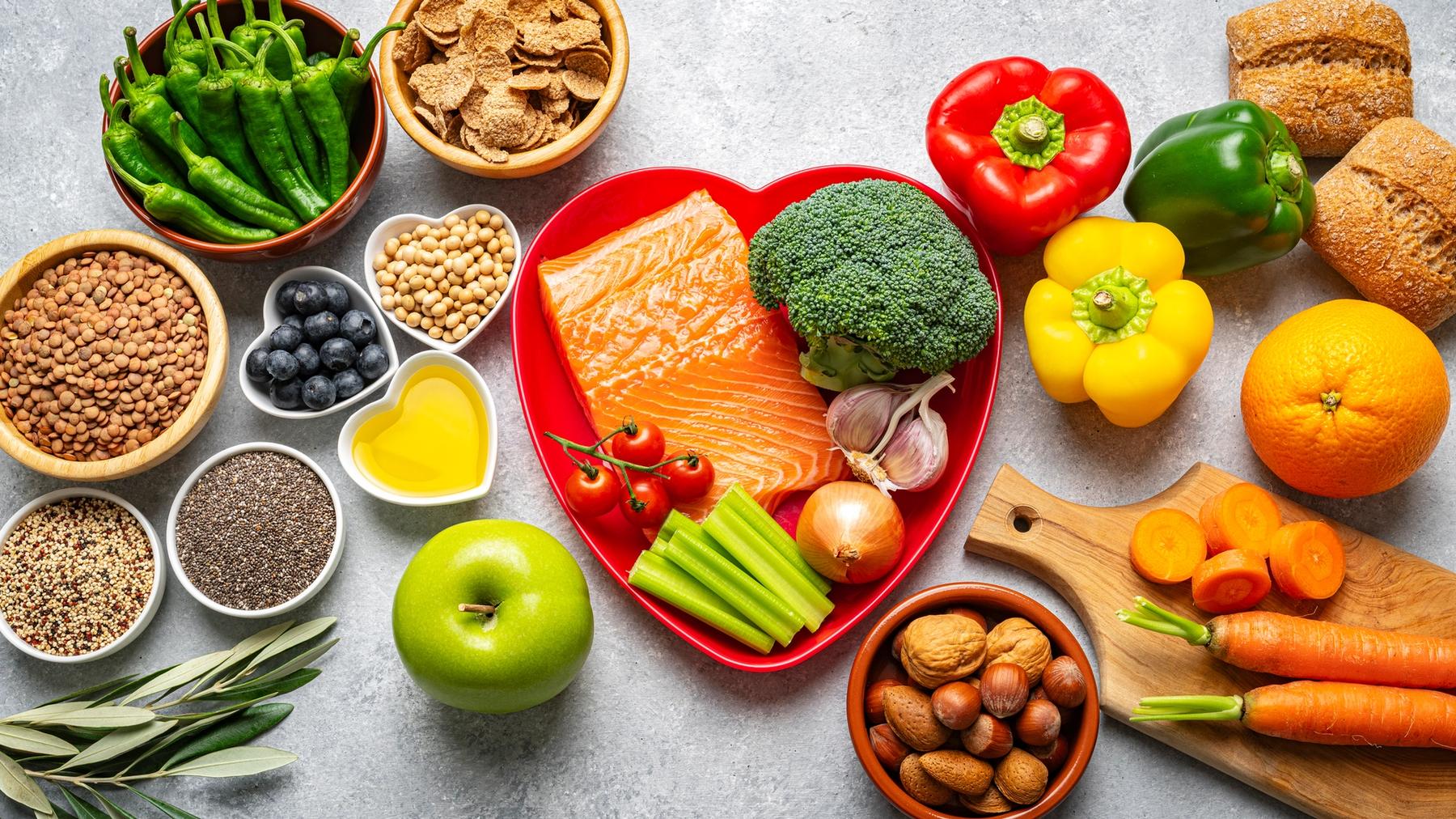
It is easy to see why that message appeals. Losing weight is hard, and the idea that one food could quietly melt fat while we get on with our day is a comforting one. The honest answer, though, is that nothing we eat burns fat. What is true is more interesting, and far more useful. Some foods change how much energy our body spends, some change how full we feel, and some help us build a body that burns more energy all day long. That is what this article is about.
Below, we look at why this topic has become so loud recently, what researchers and dietitians actually say about it, why muscle matters more than any single ingredient, and which foods genuinely earn a place on your plate.
No food burns fat while you sit there. But some foods help you build the kind of body that burns more energy all day, every day, without you doing anything at all.
How Fat Burning Foods Became Everyone's Favorite Idea
The idea of "fat burning foods" is not new, but it has become almost impossible to avoid. Over the past two years, protein in particular has moved out of the gym bag and into the supermarket aisle. In early 2026, a term called "protein-maxxing" spread across social media, describing people who deliberately push their protein intake as high as they can. Food companies noticed quickly. Protein now appears on the labels of cereal, pasta, yoghurt, and even coffee.
A second force is the rise of weight-loss injections such as semaglutide and tirzepatide. These medicines reduce appetite, and when weight comes off quickly, some of it can be muscle rather than fat. A recent consumer report by the market research firm Circana found that about 8.5 percent of American adults now use these drugs, up from 4.8 percent a year earlier, and linked this directly to the protein craze. Dietitians who work with these patients, such as registered dietitian Jenna Werner, say protein is the nutrient they most want people to prioritize, because it protects muscle.
A third reason is quieter but just as real. Commonly cited estimates suggest that we begin losing muscle from around the age of thirty, and that the loss speeds up after sixty. As clinicians have talked more openly about strength and independence in later life, protein has become part of that conversation too.
Not everyone is cheering, and that is a fair point to hear. Some commentators argue that protein is now being pushed into every snack, and that this can crowd out fiber, which many people already eat too little of. We agree that more is not automatically better. The useful question is not "how much protein can I eat?" but "what is protein actually doing for me?"
The Research and the Dietitians' Perspective
When nutrition experts are asked about "fat burning foods," the answer is remarkably consistent. Registered dietitian Keri Gans, author of The Small Change Diet, has described the phrase as catchy but misleading, because no single food literally burns fat. What people usually mean, she explains, is that some foods support metabolism or keep us full, which makes weight easier to manage over time.
The science behind that idea is the energy our body spends simply digesting a meal. Every food has a small "cost" attached to it. Protein costs the most to process, carbohydrates cost less, and fat costs the least.
| Nutrient | Share of its energy spent on digestion |
|---|---|
| Protein | Roughly 20–30% |
| Carbohydrates | Roughly 5–10% |
| Fat | Roughly 0–3% |
In one direct comparison, a whey protein meal used about 14 percent of its calories for digestion, while a high-carbohydrate meal used under 7 percent. That is a real difference. It is also a modest one. Across a whole day, digesting food accounts for only around a tenth of the energy we burn, which is why no meal, however protein-rich, can melt fat on its own.
The same logic explains why "negative calorie foods" such as celery and cucumber are a myth. They do not burn more energy than they provide. They are simply so low in calories that eating them instead of denser foods makes it easier to stay in a calorie deficit, which is what actually drives fat loss.
Here Is the Real Story
Here is something most people do not realize: most of the calories we burn in a day have nothing to do with exercise. Just keeping the heart beating, the brain working, and the organs running takes up the bulk of it. That is our resting metabolism, and it keeps spending energy whether we are at the gym or asleep on the couch.
So the real lever is not how hard we work out today. It is what an ordinary day looks like when we are doing nothing special at all, and that comes down largely to one thing: how much muscle we carry.
Muscle Matters More Than We Think
Muscle burns more energy at rest than fat does. Two people of exactly the same weight, one with more muscle and one with more fat, will burn a different amount simply by existing. Pound for pound, muscle burns roughly three times as much as fat at rest.
It is worth being honest about the size of this effect. Adding a few kilograms of muscle will not transform your metabolism overnight, and anyone promising that is overselling. But the effect is steady and it works in the background, every day, for as long as the muscle is there. Over months and years, that adds up to a real difference.
Protein feeds into this in two ways. It supplies what the body needs to build and maintain muscle, and it costs extra energy to digest. Neither effect is dramatic on its own. Together, they are the difference between a body that quietly burns a little more and one that does not.
| What Is Happening | Why It Matters |
|---|---|
| Resting metabolism | Burns the bulk of your daily energy, whether or not you exercise |
| Muscle versus fat | Muscle burns roughly 3x more at rest than fat, pound for pound |
| Digesting protein | Costs your body real energy, far more than carbs or fat do |
| Age-related muscle loss | Starts around thirty and speeds up later, unless protein and strength work protect it |
Foods That Genuinely Support Your Metabolism
So what is actually worth eating, and why?
| Food Group | Examples | How It Helps |
|---|---|---|
| Protein | Eggs, fish, chicken, dal, chana, rajma, paneer, curd, tofu | Builds and maintains muscle, and costs more energy to digest |
| Fiber | Vegetables, whole grains, legumes, fruit with skin | Keeps you full longer, so hunger is easier to manage |
| Very low-calorie foods | Cucumber, leafy greens, celery | Fill the plate cheaply, making a calorie deficit easier |
| Caffeine, green tea, chili | Coffee, tea, chili peppers | A small, short-lived bump in energy spent |
Protein is the closest thing to a real "fat burning food" that exists, and it is refreshingly unglamorous. It simply works, quietly, meal after meal.
Fiber deserves just as much attention as protein, especially given the concern about protein crowding it out. The two work well together. A bowl of dal with vegetables, for example, gives you both in one meal.
Caffeine, green tea, and chili do give a small, real lift in metabolism for a few hours. The catch is that the body gets used to them, and the effect fades the more regularly we rely on them. Think of them as a small bonus, not a strategy.
Carb-Cutting Versus Building Muscle
The two most common routes to weight loss part ways here, and the difference is worth understanding.
| Parameter | Cutting Carbs Fast | Building Muscle Through Protein and Training |
|---|---|---|
| Initial results | Fast, visible drop, mostly water | Slower, steadier |
| What happens if you stop | Weight often returns quickly | A missed week barely matters |
| What is actually changing | Mostly diet, sometimes muscle too | Resting metabolism itself shifts |
| Long-term pattern | Resets every time you restart | Slow to build, slow to lose |
A Genuine Client Story
This is not one person's story. It is a pattern we see again and again. Many of the people who come to us for weight loss have already tried cutting carbohydrates hard. The scale moves quickly, and it feels like it is working. Then life gets busy, the diet slips even slightly, and the weight returns just as fast as it left.
The clients who focus on protein and regular strength training see slower results at first, which can be discouraging in the beginning. But something different happens for them. A missed week barely moves the needle, because muscle does not build or disappear on that kind of timeline. They have changed something that holds steady, rather than something that resets the moment life gets in the way.
A fast number on the scale that disappears just as fast. A slower number that simply stays.
To Put This Into Practice
To support your resting metabolism, include protein at every meal. In our lifestyle prescription, we suggest roughly 1 to 1.2 grams of protein per kilogram of body weight each day, spread across meals rather than saved for dinner.
To turn that protein into muscle, add strength training. Two to three sessions a week is a realistic starting point. Protein without training has a much smaller effect on muscle.
To keep hunger manageable, build meals around fiber as well. Vegetables, dal, and whole grains alongside your protein make the whole plate work harder.
To use tea, coffee, and chili sensibly, treat them as a small extra. Enjoy them, but do not expect them to carry your weight loss.
To avoid the yo-yo pattern, ask yourself whether a fast result is fat loss or mostly water. That one question usually tells you whether it will last.
To stay safe, check first if you have a medical condition. Anyone with kidney disease should speak to their doctor before raising protein intake.
The Bottom Line
The next time we see a shelf, a post, or an advertisement promising foods that burn fat, it helps to remember what is actually going on. Nothing on that list melts fat. But protein does support the muscle that keeps our resting metabolism working in the background, and it costs more energy to digest than anything else we eat. That is about as close to a real "fat burning food" as exists.
It takes longer to build than a fast carb cut does. It is also far more forgiving, which is exactly why it holds up over time, long after the next trend has come and gone.
👉 Take the Free 5-Minute Assessment to find out which NewME pathway is right for you.