
Fermented Foods for Gut Health: Why They Alone Won't Fix Your Microbiome
Fermented foods are a powerful tool for gut health — but not a standalone cure. Here's what the science actually says.
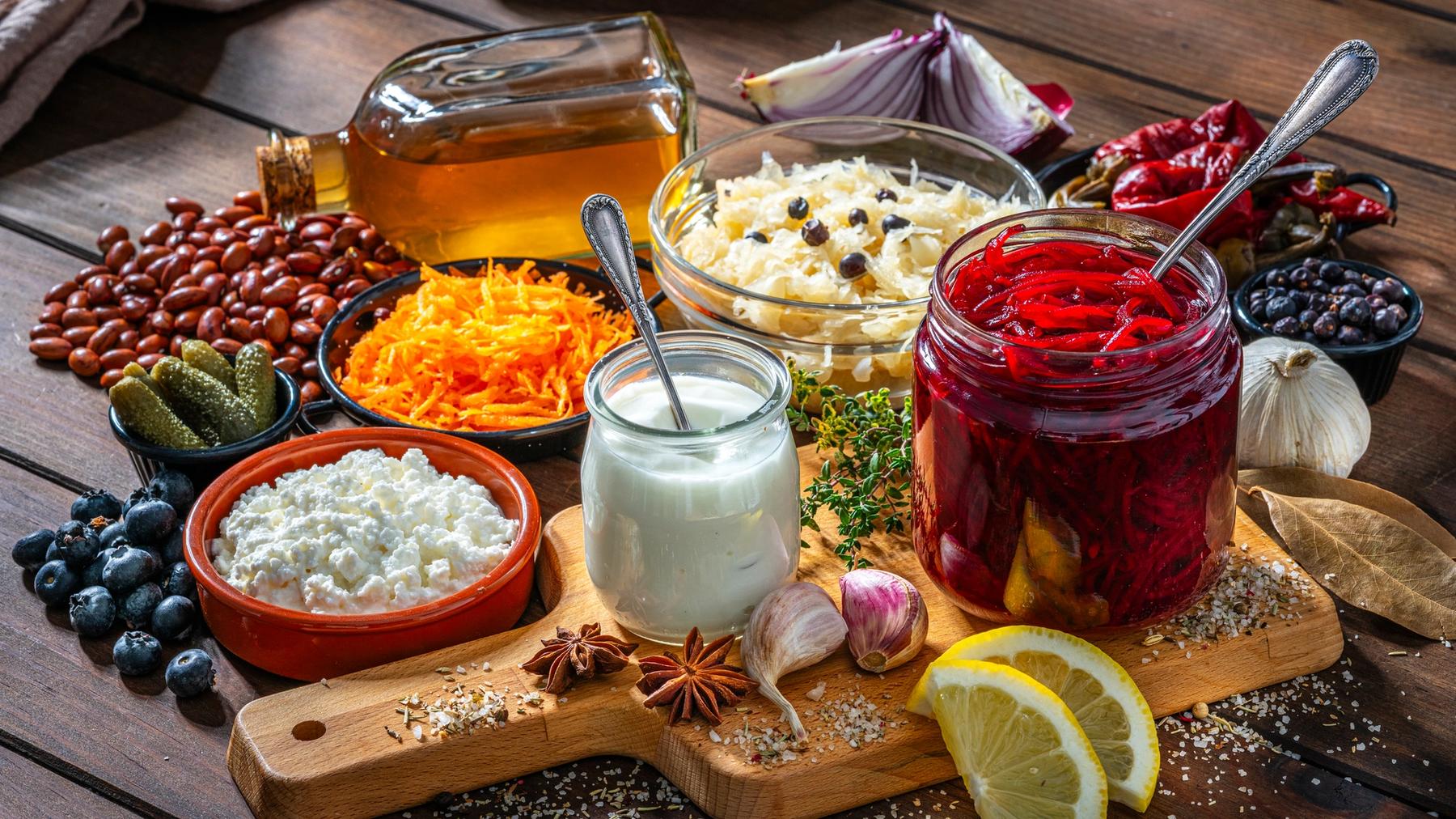
What Science Says About Fermented Foods
One of the most studied areas of nutrition today is fermented foods to promote gut health. Research has affirmed that consuming foods and beverages rich in probiotics — such as yogurt, kimchi, kefir, or kombucha — can enhance the diversity of the microbiome and promote healthy digestion. A trial published in Cell (2021) at Stanford University revealed that adults who consumed greater amounts of fermented foods had a quantifiable increase in the diversity of the gut microbiome and a reduction in the levels of inflammatory markers associated with chronic diseases.
Fermented foods are good for improving gut health because they contain probiotics — helpful microbes that interact with your gut lining, helping to digest food and protect against infections. Nevertheless, fermented foods in isolation will not be able to remediate an unbalanced gut microbiome, particularly when other problems such as dysbiosis have already been established. They are a supportive tool, not a stand-alone cure.
Why You Still Feel Bloated After Eating Fermented Foods
When you experience bloating after adding fermented foods to your gut health routine, your gut microbiome balance might already be disturbed. Dysbiosis — an imbalance of gut bacteria — can cause your gut to overreact to new probiotics. This can happen due to:
- Overuse of antibiotics
- Diets high in sugar and ultra-processed foods
- Chronic stress, which weakens the gut-brain axis
- Lack of enough prebiotic fibre intake
Once dysbiosis has been established, even healthy foods could not be properly digested by your gut, which as a result produces gas, bloating, discomfort, or pain even after eating fermented foods. If your bloating has not improved after these changes, you may be experiencing SIBO symptoms or chronic constipation.
Common Gut Health Mistakes to Avoid
1. Choosing "fermented" products without probiotics
Many supermarket "fermented" options are pasteurised, killing off live bacteria. Real fermented foods for gut health must say "contains live and active cultures." Always look for refrigerated, unpasteurised varieties.
2. Eating too much too soon
Jumping from none to multiple servings per day overwhelms your digestion. The Stanford FeFiFo study used a gradual 4-week ramp-up phase for a reason — it gives your microbiome time to adapt.
3. Ignoring prebiotics
Fibre is necessary in promoting the growth of probiotics in probiotic foods to promote gut health. Good bacteria are fed on foods rich in prebiotics including oats, garlic, onions, bananas, and lentils. In their absence, probiotics find it difficult to thrive and continue with a healthy digestive system.
Prebiotics vs Probiotics
Understanding the difference between prebiotics and probiotics is key to making fermented foods actually work for you:
- Prebiotics: Non-digestible fibres that feed good gut bacteria. Found in oats, garlic, onions, bananas, lentils. Help existing bacteria grow and thrive. Essential for long-term gut balance.
- Probiotics: Live beneficial bacteria that support the gut microbiome. Found in fermented foods like yogurt, kefir, kimchi, kombucha. Introduce new beneficial bacteria into the gut. Help improve microbiome diversity and bloating relief.
How to Make Fermented Foods Actually Work for You
To truly benefit from fermented foods for gut health:
- Start small. Begin with 1–2 tablespoons of daily sauerkraut, kefir, or yogurt. Allow your body to acclimatize over two to three weeks before increasing.
- Rotate your options. Try different fermented foods throughout the week to add a broader collection of probiotic species to your gut microbiome.
- Pair with prebiotics. Combine fermented foods with meals rich in fibre to enhance nutrient absorption and control inflammation.
This daily mix of probiotics and prebiotics enhances both microbiome diversity and bloating relief.
Consistency Beats Quick Fixes
It is not a matter of going in and changing your diet in one night — a drastic change that won't last long. Habits are best when they are consistent and balanced, as opposed to extreme cleanses or superfood trends. A steady strategy — kefir in the morning, high-fibre foods, less sugar, and relaxation exercises — will help your gut microbiome flourish by default.
When used intelligently, fermented foods to promote gut health are important in the recovery process. They, in combination with prebiotics and a nutrient-dense diet, will empower healthy digestion and lasting alleviation of bloating or constipation.