
IBS Treatment: What Actually Works and Why It's Not Just a Gut Problem
Most people with IBS can't tell you exactly when it started. But if you ask the right questions — really ask — there is almost always a moment. An illness. A loss. A period of sustained crisis. A season of life that was harder than most. And after that, the gut was never quite the same.
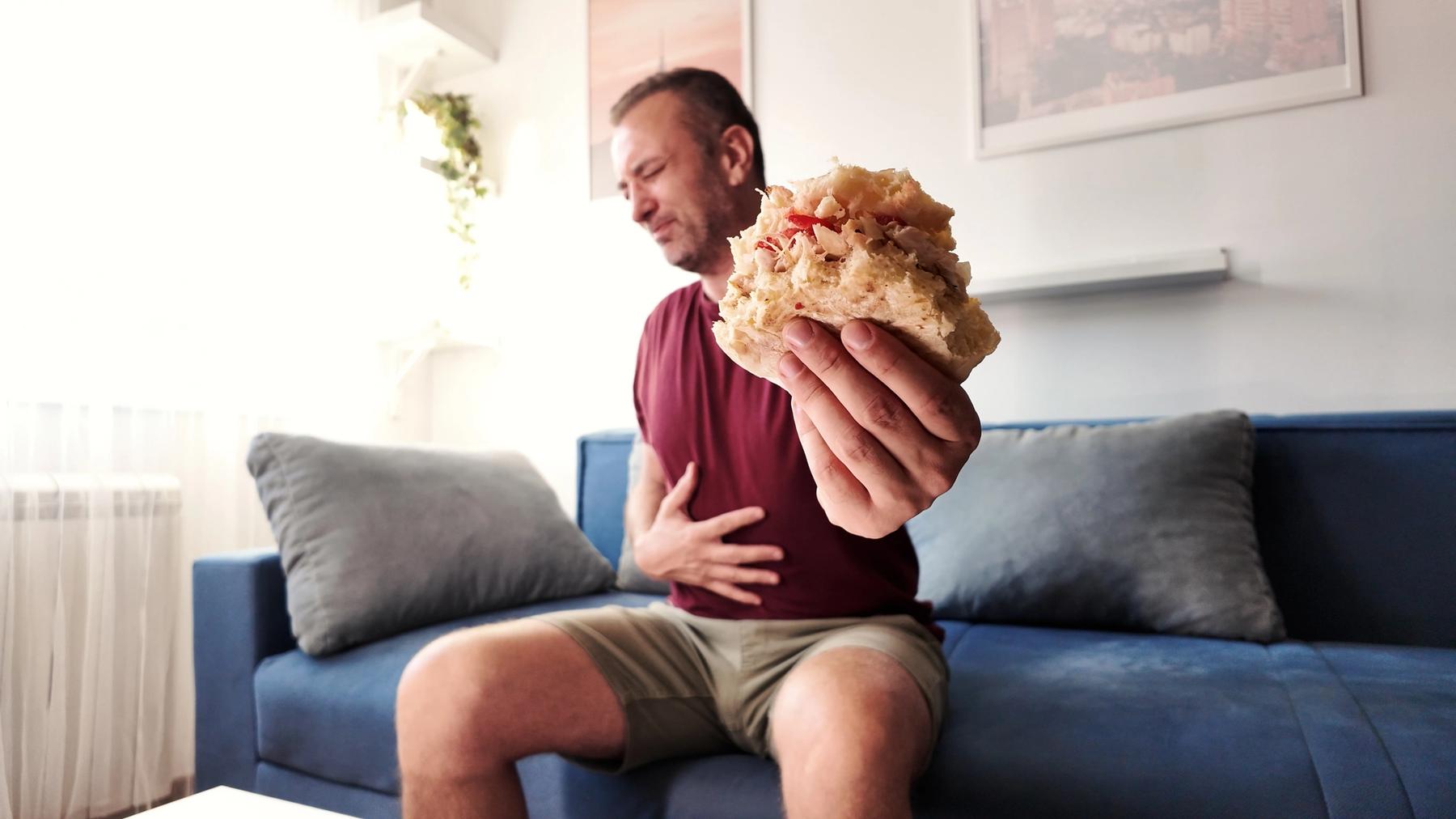
What IBS Actually Does to a Person's Life
Before we talk about treatment, let's talk about what IBS actually does to the way a person lives.
Every morning is uncertain. You don't know what kind of day it's going to be — whether you'll be able to leave the house comfortably, whether a meal will trigger an episode, whether a meeting or a commute or a dinner invitation is manageable or a source of dread. The bathroom becomes the first thing you locate in any new environment. Restaurants require planning. Travel requires planning. Other people's homes require planning.
Food — something that should be one of the simplest pleasures of daily life — becomes something to be managed, negotiated, feared. Certain things are safe. Many things are not. And the list of what's not safe seems to grow over time, quietly contracting the world of what you can eat and where you can go.
The physical symptoms are exhausting: the urgency, the unpredictability, the bloating and cramping that arrive without warning. But it is the mental and emotional weight that most people with IBS carry silently — the social anxiety that builds around a condition that is deeply embarrassing to explain, the gradual withdrawal from social life, the sense that the body cannot be trusted — that is often the heaviest part.
IBS is not a mild inconvenience. At its most severe, it is a condition that shrinks a person's world.
What Is IBS? Beyond the Textbook Definition
Irritable bowel syndrome is classified as a functional gastrointestinal disorder — meaning that on standard investigation, the structure of the bowel appears normal. There is no visible inflammation, no lesion, no identifiable damage. The plumbing, as it were, looks intact.
This classification has its uses. But it has also, for too long, allowed IBS to be dismissed as something less serious than it is; a condition without a clear physical cause, and therefore — implicitly — one that is somehow less real, less valid, less deserving of rigorous clinical attention.
The reality is more complex and more interesting. IBS is not a structural problem. But it is very much a real one — involving genuine dysregulation of gut motility, visceral hypersensitivity, altered gut microbiome composition, disrupted communication between the gut and the brain, and in many cases, measurable changes in serotonin signalling in the gut wall. The bowel is not broken in the conventional sense. But it is dysregulated in ways that are physiologically real and clinically significant.
Calling it functional should not mean calling it minor. For the person living with severe IBS, the distinction is irrelevant. The impact is entirely real.
Where IBS Often Begins: The Moment Nobody Connects
This is the question that most IBS consultations never ask — and it may be the most important one: was there a period, before the IBS became undeniable, when something significant happened?
A severe gastrointestinal illness. A bout of food poisoning that passed but left the gut feeling different afterwards. A viral illness that resolved but was followed by months of digestive unpredictability. A period of extreme sustained stress — bereavement, relationship breakdown, job loss, a season of life that pushed the system past its limits. An acute crisis that the rest of the body recovered from, but the gut did not quite follow.
Post-infectious IBS — IBS that develops following an acute gastrointestinal infection or illness — The infection or crisis disrupts the gut microbiome, alters intestinal motility, changes the sensitivity of the gut wall, and shifts the communication between the gut and the brain. In many cases, this dysmotility creates an environment where bacteria migrate into the upper digestive tract, producing underlying SIBO symptoms that mimic or amplify IBS. The acute event resolves. The IBS remains.
Most patients don't make this connection — because the triggering event happened too long ago, because the gut symptoms feel so physical that a psychological or infectious origin feels unrelated, and because nobody thought to ask. But understanding where IBS began is often the first step toward understanding what needs to be addressed to treat it.
The Vicious Cycle: Stress, IBS, and Social Anxiety
IBS is one of the most embarrassing conditions a person can live with. Not because it is shameful — it is not — but because its symptoms are inherently private, unpredictable, and difficult to explain to others. And the embarrassment compounds the condition in a cycle that is genuinely vicious.
Stress is a well-established trigger of IBS symptoms. The gut and the brain communicate continuously through the gut-brain axis — a complex bidirectional network involving the vagus nerve, the enteric nervous system, and the gut microbiome. When stress activates the sympathetic nervous system, gut motility is directly affected; transit speeds up or slows down; visceral sensitivity increases; the bowel becomes reactive in ways it would not be under calm conditions.
But what makes IBS particularly difficult is that the relationship runs in both directions. Stress worsens IBS. And IBS — through its unpredictability, its social consequences, its daily intrusion into normal life — creates its own sustained psychological stress. The social anxiety that builds around the condition; the constant vigilance about food, about proximity to bathrooms, about what might happen and where; the gradual withdrawal from social situations that feel unmanageable — all of this feeds back into the nervous system and worsens the gut symptoms that caused the anxiety in the first place.
It is a cycle that can be extraordinarily difficult to break from the outside. Managing only the gut symptoms without addressing the psychological dimension leaves the cycle intact. Managing only the psychological dimension without addressing gut health and microbiome restoration does the same.
Real IBS treatment has to address both simultaneously.
The Gut-Brain-Serotonin Connection
Here is something that most people — and many clinicians — don't fully appreciate: approximately 95% of the body's serotonin is produced not in the brain, but in the gut. Specifically, in specialised cells lining the intestinal wall, where serotonin plays a direct role in regulating gut motility — the muscular contractions that move food and waste through the digestive system.
When the gut microbiome is healthy and diverse, this serotonin production functions well. When the microbiome is disrupted — through illness, through sustained stress, through antibiotic use, through a diet chronically low in fibre — serotonin production and signalling in the gut is affected. And disrupted gut serotonin doesn't just affect motility; it affects the communication between the gut and the brain, contributing to the heightened visceral sensitivity, the mood changes, and the anxiety that so commonly accompany IBS.
This is why IBS and mental health are so deeply intertwined — not because IBS is psychosomatic or imagined, but because the gut is a neurological organ in its own right, producing and responding to the same neurotransmitters that govern mood, stress response, and anxiety. Disrupting the gut disrupts the system.
And it is why restoring the gut microbiome — through diet, through targeted probiotic and prebiotic support, through the removal of chronic stressors — is not a peripheral part of IBS treatment. It is central to it.
Common IBS Symptoms
IBS presents differently in different people, which is part of why it is so often misdiagnosed or dismissed. The core symptoms include abdominal pain or cramping that is typically relieved by a bowel movement; altered bowel habits — diarrhoea, constipation, or an unpredictable alternation between the two; bloating and abdominal distension that worsens through the day; urgency, the sudden and compelling need to find a bathroom with very little warning; the sensation of incomplete evacuation after a bowel movement; and mucus in the stool.
Beyond these physical symptoms, many people with IBS experience significant fatigue, particularly during flares; disturbed sleep; and the psychological symptoms — anxiety, low mood, heightened stress reactivity — that reflect the gut-brain connection described above.
Symptoms typically worsen after eating, during periods of stress, around menstruation in women, and during travel or disruption to routine. They may be absent for weeks and then return suddenly, with no immediately obvious trigger.
IBS Types: Not All IBS Is the Same
IBS is classified into subtypes based on the predominant bowel pattern, and this distinction matters clinically because the dietary and therapeutic approaches differ significantly:
IBS-C (constipation-predominant): Characterised by hard, infrequent stools, straining, and a sensation of incomplete evacuation. Often associated with slow colonic transit and is more common in women. Incorporating targeted constipation remedies and immediate relief techniques can help restore natural bowel mechanics without over-stimulating the colon.
IBS-D (diarrhoea-predominant): Characterised by loose, urgent, frequent stools. Often more severely disruptive to daily life and social functioning because of the unpredictability and urgency involved. In addition to long-term modulation, knowing how to stop diarrhea fast during acute flare-ups is critical for preventing dehydration and regaining daily confidence.
IBS-M (mixed): Alternating between constipation and diarrhoea, sometimes within the same day. Often the most confusing subtype for patients to manage because the dietary approaches for each extreme can seem contradictory.
Knowing which subtype is present guides treatment. A high-fibre intervention appropriate for IBS-C may significantly worsen IBS-D. A low-FODMAP approach that helps IBS-D may not address the motility issues central to IBS-C. Subtype-specific management is not optional — it is the difference between an approach that helps and one that makes things worse.
What Triggers an IBS Flare
Understanding personal triggers is one of the most practical tools for managing IBS between flares. The most common include certain foods — particularly high-FODMAP foods like onions, garlic, wheat, legumes, and certain fruits that ferment rapidly in the gut and produce gas; caffeine and alcohol; large meals eaten quickly; irregular meal timing; disrupted sleep; acute psychological stress; hormonal changes around menstruation; and illness or infection.
Triggers are individual. What provokes a severe flare in one person may be entirely tolerated by another. This is why blanket elimination diets — removing everything that might theoretically be problematic — are rarely the right approach. Systematic identification of personal triggers, ideally with clinical guidance, is more effective and less nutritionally compromising than broad restriction.
IBS Treatment: What Actually Works
Effective IBS treatment is not a single intervention. It is a structured approach that addresses gut health, dietary patterns, the microbiome, the gut-brain relationship, and lifestyle simultaneously. No single element is sufficient on its own.
Dietary Management: The Low-FODMAP Approach
The low-FODMAP diet — developed by researchers at Monash University — is the most evidence-based dietary intervention for IBS, with clinical trials showing symptom improvement in 50–80% of patients. FODMAPs are fermentable carbohydrates that are poorly absorbed in the small intestine and rapidly fermented by gut bacteria, producing gas, bloating, and altered motility.
The low-FODMAP approach involves a structured elimination phase, followed by systematic reintroduction to identify specific personal triggers. It is not a permanent restrictive diet — it is a diagnostic and therapeutic process. It should ideally be guided by a clinician or dietitian with IBS experience, because unsupervised long-term low-FODMAP eating can reduce microbiome diversity and nutritional adequacy.
Gut Microbiome Restoration
Given the central role of microbiome disruption in IBS — particularly post-infectious IBS — restoring microbial diversity is a meaningful clinical target. This involves increasing dietary fibre from tolerated sources to feed beneficial bacteria; introducing probiotic-rich foods where tolerated; and in some cases, targeted probiotic supplementation with strains that have specific evidence in IBS, such as Bifidobacterium infantis and Lactobacillus plantarum.
Prebiotic support — feeding the bacteria already present in the gut — is equally important and often more neglected than probiotic supplementation.
This involves increasing dietary fibre from tolerated sources to feed beneficial bacteria; introducing probiotic-rich fermented foods where tolerated—such as exploring kefir benefits for gut microbiome diversity—and in some cases, targeted probiotic supplementation with strains that have specific evidence in IBS, such as Bifidobacterium infantis and Lactobacillus plantarum.
Gut-Brain Therapy
Because the gut-brain axis is so central to IBS pathophysiology, psychological interventions have genuine and well-documented clinical efficacy in IBS — not because IBS is psychological, but because the gut responds to the nervous system. Gut-directed hypnotherapy has the strongest evidence base, with clinical trials showing lasting symptom improvement in a majority of patients. Cognitive behavioural therapy adapted for IBS, mindfulness-based approaches, and structured stress reduction all show meaningful benefit.
These are not alternatives to gut-focused treatment. They are complements to it — addressing the neurological dimension of a condition that is simultaneously physical and neurological.
Medication for Symptom Management
Medication plays a supporting role in IBS management, particularly for symptom control during flares. Antispasmodics reduce abdominal cramping; laxatives or fibre supplements support IBS-C; loperamide reduces urgency and frequency in IBS-D; low-dose antidepressants — particularly tricyclics and SSRIs — have evidence for both visceral pain modulation and mood support in IBS, reflecting the serotonin connection described above.
Medication manages symptoms. It does not address the microbiome disruption, dietary triggers, or gut-brain dysregulation that drive the condition. It works best as part of a structured programme — not as a standalone solution.
Meal Timing and Consistency
The gastrocolic reflex — the bowel's response to eating, which triggers muscular contractions and prepares for a bowel movement — is heightened in IBS. Erratic meal timing amplifies this reactivity. Consistent, regular meals — particularly not skipping breakfast, which triggers the strongest gastrocolic response of the day — help regulate motility and reduce unpredictability. This is one of the most practical and most overlooked aspects of IBS management.
What Doesn't Work — and Why
Endlessly restricting more foods without systematic identification of actual triggers leads to nutritional inadequacy, reduced microbiome diversity, and a food relationship built on fear rather than understanding. Restriction without reintroduction is not a treatment plan.
Managing only the gut without addressing stress and sleep leaves the gut-brain cycle intact. The bowel remains reactive to a nervous system that is never fully calm.
Waiting for IBS to resolve on its own in the hope that it will pass. For some people, mild IBS does fluctuate. For most people with moderate to severe IBS, the condition requires active, structured management — because the microbiome disruption and gut-brain dysregulation that drive it do not self-correct without intervention.
Treating IBS as a single condition without identifying the subtype, the trigger pattern, and the origin — and applying the same generic advice regardless. IBS-C and IBS-D require different approaches. Post-infectious IBS and stress-triggered IBS have different priorities. Individual treatment matters.
A Real Client Story
Priya was 34 when she came in. A software engineer, working from home, with a social life that had quietly contracted over the previous two years to almost nothing. She hadn't been to a restaurant with friends in eight months. She had turned down two work trips. She had stopped going to the gym because the commute and the uncertainty made her too anxious.
The IBS had started, she thought, about three years ago — gradually, without a clear beginning. But when we talked through her history, a different picture emerged. Two and a half years ago, she had gone through a particularly brutal period at work — a failed project, a difficult manager, six months of sustained high stress that had left her sleeping badly and eating irregularly. Around that time, she had also had a gastrointestinal illness — nothing severe, a few days of acute symptoms that passed. After that, her digestion had never fully settled.
She hadn't connected the two. Nobody had asked.
We started with meal timing — three consistent meals a day, not eaten at her desk. We introduced a low-FODMAP approach with support to identify her specific triggers rather than eliminating everything indefinitely. We addressed her sleep, which had been poor since the stressful period and had never recovered. And we referred her for gut-directed therapy to address the anxiety cycle that had built up around her symptoms.
Four months later, she had been to two restaurants. She had accepted a work trip. She wasn't fixed — IBS rarely resolves completely — but she had her life back in ways she hadn't expected when she first came in.
That is what structured IBS treatment looks like. Not a cure. A restoration.
Priya's recovery reflects the outcomes driving NewME's entire approach. To date, over 5,603 clients have achieved at least one or more documented clinical outcomes through our structured programmes, including substantial systemic health turnarounds and targeted symptom resolution like hers.
The Bottom Line
IBS is not just a gut problem. It is a condition that lives at the intersection of the gut, the microbiome, the nervous system, and the life a person is trying to live around it. Its embarrassment is real. Its social consequences are real. The vicious cycle of stress worsening the gut and the gut worsening the stress is real and clinically documented.
Treating it effectively means treating the whole system — not just the bowel, and not just the mind, but the relationship between them; the microbiome that connects them; the dietary patterns, sleep, and stress load that either support or undermine that connection.
Most people with IBS have been told to avoid certain foods, manage their stress, and come back if it gets worse. That is not a treatment plan. It is a holding pattern.
When the gut is addressed structurally — microbiome, motility, diet, nervous system, lifestyle — IBS responds. Not always completely. But meaningfully. Enough to get a person's world back.
If your IBS has been managed symptom by symptom without ever addressing the system beneath it, our GI Care pathway at NewME offers a structured, doctor-led approach to gut restoration that addresses all of these dimensions together.
To start with a direct clinical conversation, a virtual consultation with Dr. Pal's team is available here.