
Prune Juice for Constipation: What the Research Actually Shows, and Why It Is Not a Standalone Fix
If you have ever been told to "just drink some prune juice" for constipation, you have probably also heard a dozen other remedies offered with the same confidence: more water, more fiber, a particular tea, a particular fruit. With so many competing claims, it becomes difficult to know which of them are genuinely supported by evidence and which are simply passed along because they sound reasonable. Prune juice happens to be one of the few constipation remedies that has actually been studied properly, which makes it worth looking at closely, both for what the research shows and for where its real limits are.
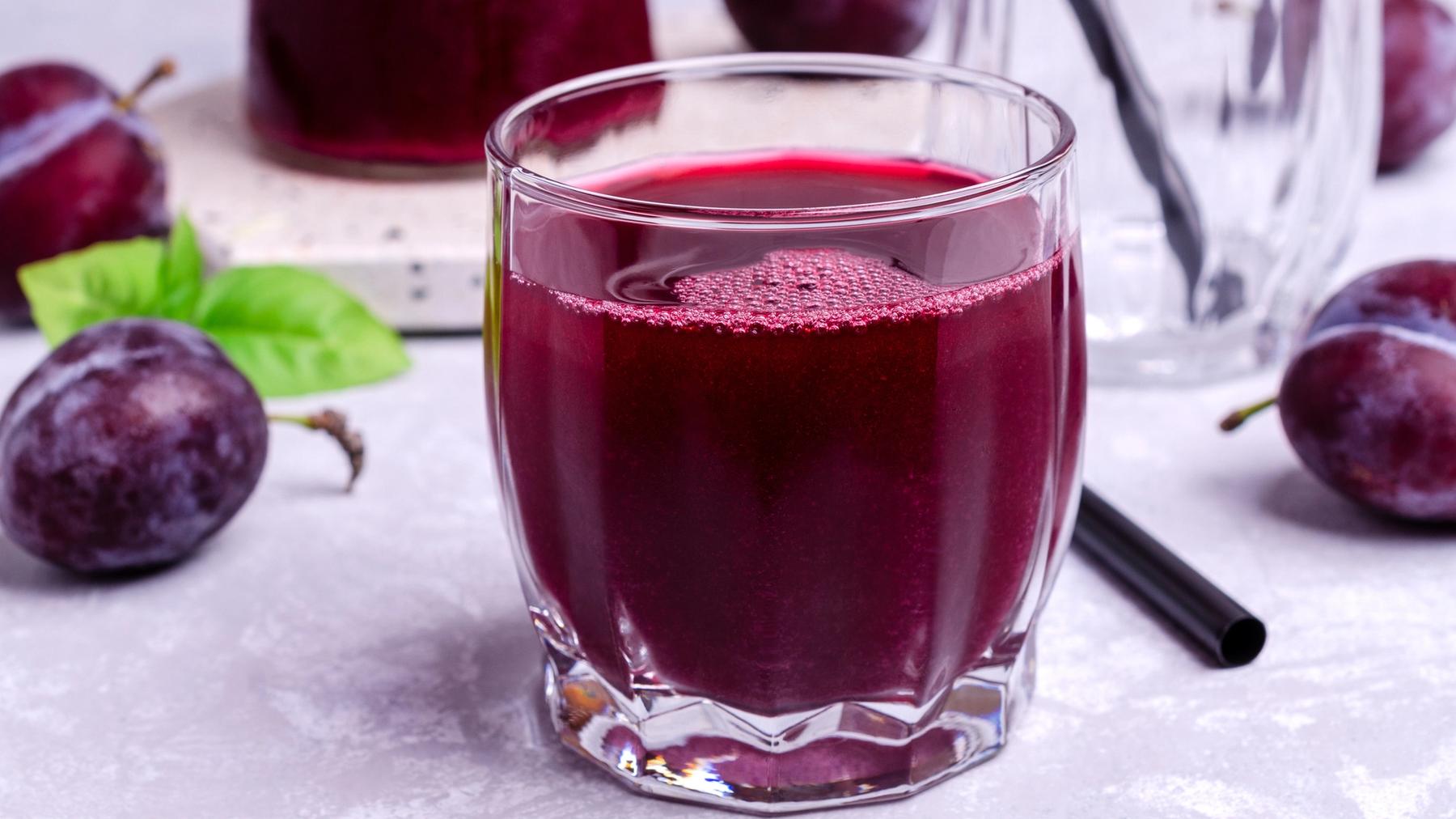
This article explains what constipation actually is from a clinical standpoint, what happens inside the colon when it occurs, what prune juice is made of and why it works the way it does, what the research shows about dosage and form, and why no single remedy, prune juice included, replaces the broader lifestyle foundation constipation actually depends on.
Constipation rarely has one cause, which means it rarely has one fix. Prune juice can be a genuinely useful tool, but it works best as an add-on to a system that is already moving in the right direction, not as a replacement for one.
What Constipation Actually Is
Clinically, constipation is defined by frequency and consistency rather than by how a person simply feels on a given day. The generally accepted threshold is fewer than three bowel movements per week, often accompanied by hard or lumpy stools, straining, a sense of incomplete evacuation, or needing to use manual assistance to pass stool. Someone going once every two to three days, without discomfort or straining, is not necessarily constipated; someone going daily but passing hard, difficult stools may well be.
This distinction matters because a great deal of constipation advice treats the symptom (infrequent or difficult stools) as the whole problem, when it is really a downstream sign of something happening further up the chain, in diet, hydration, movement, gut transit time, or occasionally an underlying medical condition.
What Happens Inside the Colon
As waste moves through your colon, the colon's job is to pull water back out of it before it leaves your body. The longer that waste sits there, the more water gets pulled out, and the harder and drier the stool becomes. That's why constipation isn't just "not going enough" — it's often that things are moving too slowly to begin with.
Nearly every remedy that actually works for constipation is doing one of two things: speeding up that transit time, or adding water back into the stool before it gets reabsorbed. That's the test worth applying to any remedy someone recommends — does it actually do one of these two things, or is it just something people repeat because it sounds healthy?
What Prune Juice Is Made Of, and Why It Works :
Prune juice isn't just "fruit juice that happens to help." There's a real reason it works, and it comes down to three things working together.
| 🔬 Component | What It Does |
|---|---|
| Sorbitol | A natural sugar your gut barely absorbs. It pulls extra water into the colon, which softens stool. A cup of prune juice has about 10 grams of it |
| Fiber (pectin and more) | Adds bulk and helps keep things moving. Mostly stays behind in the pulp, so juice has less of it than whole prunes |
| Polyphenols | Plant compounds that seem to gently stimulate the gut on their own, separate from the sorbitol and fiber effect |
Research has consistently pointed to these three components working together, rather than any single ingredient acting alone, as the reason prune juice performs more consistently than many other fruit juices marketed for the same purpose. Most ordinary fruit juices simply do not carry this specific combination in meaningful amounts.
What the Clinical Research Shows
Unlike most home remedies for constipation, prune juice has actually been tested properly, and the results back up what people have claimed for years. People who drank a small glass of prune juice daily had noticeably softer stools and went more regularly, with no extra bloating, gas, or loose stools compared to those who didn't. In a separate study, dried prunes worked at least as well as psyllium husk, a standard fiber supplement, and people found them easier to stick with.
Very few constipation remedies have this level of evidence behind them at all, which is worth keeping in mind next time someone insists a particular tea or fruit "definitely works."
Juice Versus Whole Prunes
An important nuance the research highlights: juicing prunes strips out a meaningful portion of their soluble fiber, since fiber is largely left behind in the solid pulp. This means whole prunes may offer an advantage over prune juice for the fiber component specifically, even though the juice retains the sorbitol and much of the polyphenol content.
| Parameter | Prune Juice | Whole Prunes |
|---|---|---|
| Sorbitol content | High, concentrated | High |
| Fiber content | Reduced through juicing | Higher, intact |
| Convenience | Easy to measure and consume | Requires chewing, more filling |
| Calorie density | Higher per equivalent sorbitol dose | Lower per serving for similar effect |
| Best suited for | Quick, measurable daily dose | Those prioritizing fiber alongside sorbitol |
Neither form is definitively superior across the board; the better choice often comes down to what a person can realistically include in their routine consistently, since consistency matters more than the format.
Who Should Be Cautious
It isn't right for everyone, though.
If you have diabetes, be mindful of the sugar content and factor it into your overall diet, not just the sorbitol.
If you have IBS, especially the diarrhea-predominant type, sorbitol can backfire and make bloating or loose stools worse instead of better.
If you drink too much, you can overshoot and end up with cramping or diarrhea. More isn't better past a certain point.
If you notice blood in your stool, unexplained weight loss, severe pain, or a sudden change in your bowel habits (especially past 50), skip the home remedy and see a doctor. Those aren't signs to self-treat.
A Genuine Client Story
Several clients have come to us expecting a specific remedy, prune juice frequently among them, to resolve constipation that had been bothering them for months. In most of these cases, what actually moved the needle was not any single food or drink, but the basics: drinking enough water consistently through the day, adding regular movement, and building a genuinely fiber-rich diet rather than relying on one product to compensate for everything else that was missing.
This is not a dismissal of prune juice itself, which does have real evidence behind it. It is a reflection of what we see repeatedly in practice: constipation driven by chronic under-hydration, sedentary habits, and low overall fiber intake responds to fixing those things directly, and a remedy layered on top of an otherwise unaddressed lifestyle rarely performs as well as it does in a controlled trial.
The fruit was never the missing piece. The habits around it were.
To Use Prune Juice Effectively
To get a practical daily dose, a small glass, around 100 to 150 ml, is a reasonable place to start. There's no need to measure it out precisely; consistency matters more than the exact amount.
To give it a fair trial, stick with it for a couple of weeks before deciding whether it's helping, rather than expecting results overnight.
To address the underlying transit issue, not just the symptom, pair prune juice with adequate water intake and regular movement, since sorbitol's effect depends on there being enough overall hydration for it to draw from.
To avoid overcorrecting, increase the amount gradually if needed, and stop increasing once stools are comfortable and regular, since excess sorbitol intake causes the diarrhea and cramping it was meant to prevent.
To know when it is not enough, treat persistent constipation lasting more than a few weeks, despite these changes, as a reason to see a doctor rather than a reason to try yet another remedy.
The Bottom Line
Prune juice holds up better under research scrutiny than most constipation remedies in circulation, and the mechanism behind it, sorbitol, fiber, and polyphenols acting together, is genuinely understood rather than assumed. Used at a reasonable dose, it is a safe, evidence-backed option for mild to moderate constipation.
But constipation itself rarely has a single cause, and treating it as something one product can resolve, while hydration, movement, and overall fiber intake remain unaddressed, is why so many people cycle through remedy after remedy without lasting relief. Prune juice works best as a genuine add-on to a system that is already supporting regular digestion, not as a substitute for building that system in the first place.
👉 Take the Free 5-Minute Assessment to find out which NewME pathway is right for you.