
How to Reverse Insulin Resistance Naturally: Why Your Cells Stop Responding and What Helps Them Listen Again
Picture yourself in a small boat in the middle of the ocean. There is water on every side, far more than you could ever need, and not a single drop you can drink. The ocean is not the problem. You simply cannot use what surrounds you.
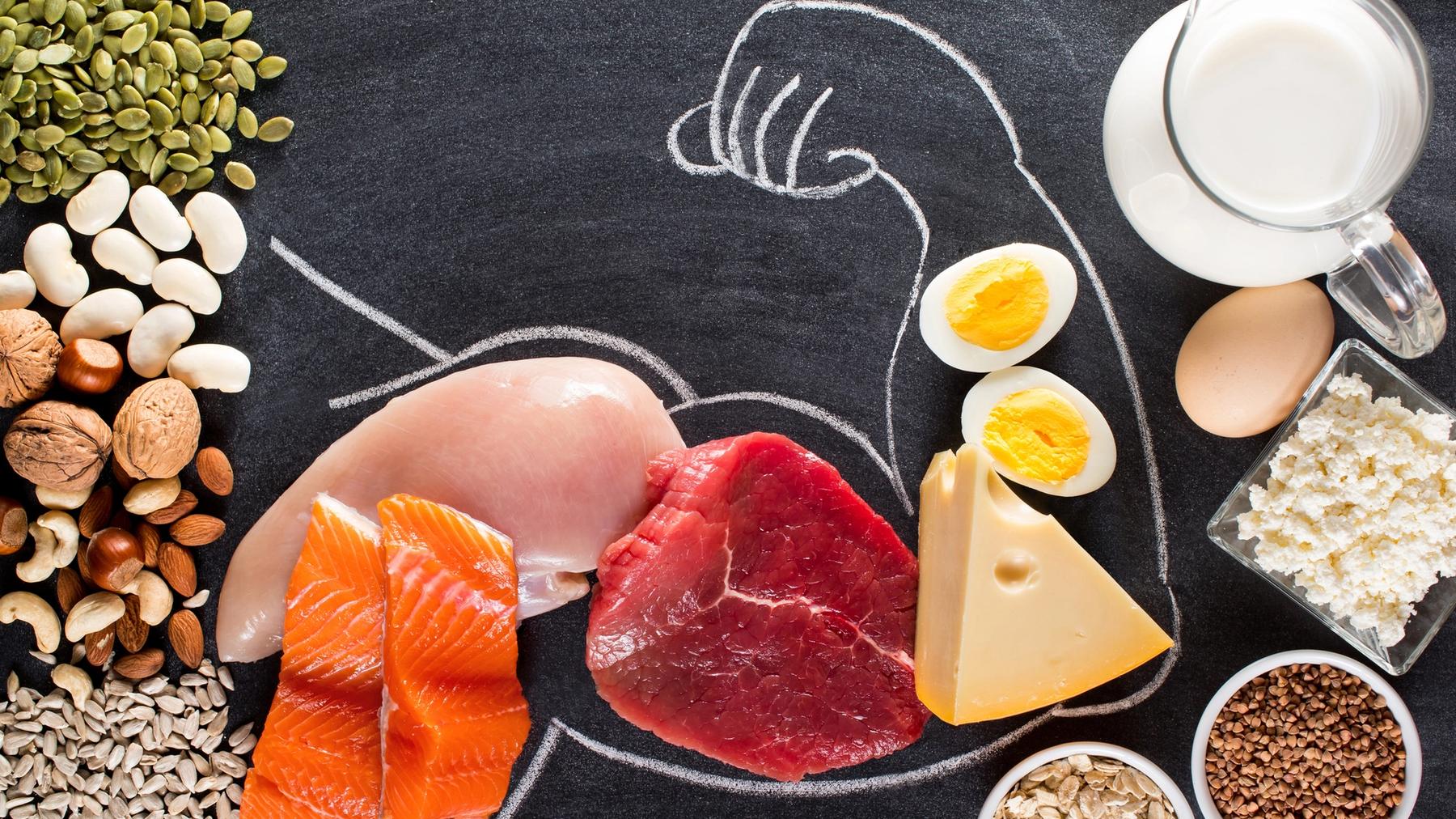
That is insulin resistance in one picture. The sugar is in the blood, and plenty of insulin is being made to move it into the cells, but the cells no longer respond. If a recent report has called your sugar "borderline," or your doctor has mentioned insulin resistance, you may be wondering whether it can be undone. For most people, it can be improved a great deal, and often reversed, once we know what is getting in the way.
Below, we look at what is really happening inside the body, why Indians are often affected at a lower weight than expected, what the research says about reversing it, and the everyday habits that help.
Insulin resistance is not a shortage of insulin. It is cells that have stopped listening.
Insulin Resistance Is a Problem of Response, Not Supply
After we eat, food breaks down into glucose, a simple sugar that enters the blood. Insulin, made by the pancreas, works like a key. It opens the doors of our muscle, liver, and fat cells so that glucose can go in and be used for energy.
In insulin resistance, the keys are all there, but the lock has gone stiff. Glucose stays in the blood, so the pancreas sends out even more insulin. For years this works well enough that blood sugar still looks normal. Eventually the pancreas tires, sugar begins to climb, and prediabetes follows. All that extra insulin also tells the body to store fat, especially around the abdomen, which stiffens the lock further.
That is the real difference from type 1 diabetes, where the body makes too little insulin. Here, the keys are plentiful and the lock is the problem. It is also why lifestyle changes, which work on the lock itself, can do so much.
Rust in the Lock Has More Than One Cause
A stiff lock means something has made it rusty. The rust comes from different places in different people, which is why one set of advice rarely suits everyone.
| Source of the Rust | How It Stiffens the Lock |
|---|---|
| Fat around the belly and liver | Inflames tissue and dulls the response to insulin |
| Too little movement | Idle muscles stop responding well |
| Short or poor sleep | Lowers sensitivity within a week, even in healthy people |
| Long-term stress | Stress hormones work against insulin |
| Frequent sugar spikes | Repeated surges slowly wear the response down |
Indians Often Develop It at a Lower Weight Than Expected
You may know someone slim who still has high sugar, and wondered how that could be. In South Asians, it is common. Research shows that we tend to develop type 2 diabetes at lower body weights, and are diagnosed five to ten years earlier than people of European descent. The pattern is often called "thin outside, fat inside": a normal-looking weight, but more fat stored deep around the liver and abdomen, and less muscle.
This is why we say BMI can give false reassurance for Indian body types, and why body fat percentage tells us far more.
A normal weight on the scale does not rule out insulin resistance. Hidden fat is the part that matters.
The Good News: It Can Be Reversed
The strongest evidence comes from the Diabetes Prevention Program, a large study of people at high risk of type 2 diabetes.
| What People Did | Result |
|---|---|
| Lost about 5 to 7 percent of body weight and exercised around 150 minutes a week | 58 percent lower chance of developing type 2 diabetes |
| Same changes, in people over 60 | 71 percent lower chance |
| Compared with the diabetes medicine used in the study | Lifestyle change did better |
In the landmark Diabetes Prevention Program, lifestyle change did better than the medicine it was compared with.
It helps to be honest about what "reversed" means. The cells respond to insulin again, and for many people blood sugar returns to the normal range. It is not a one-time cure. The rust comes back when old habits do, so think of it as keeping a lock well oiled.
Five Everyday Habits That Clean the Lock
Movement Keeps the Lock Oiled
Muscle is the largest user of glucose in the body, so keeping it busy keeps sugar moving where it belongs. The effect begins before any weight is lost, which is why blood sugar sometimes improves while the scale barely moves. Walking after a meal is a simple place to start, and strength training builds the muscle that does the work.
Sleep Is the Repair Shift
Much of the body's overnight work is repair, and short sleep cuts it off. Many people are surprised that one poor week can measurably change how they respond to insulin. A steady bedtime is often the cheapest improvement available.
Calm Stops New Rust Forming
When we are stressed, the body releases cortisol, which raises blood sugar and encourages fat to settle around the belly. Slow breathing, mindfulness, or a quiet walk may sound too small to matter, but they work on a cause that diet and exercise alone cannot reach.
Steadier Meals Mean a Gentler Lock
A meal that sends sugar sharply upward asks for a large burst of insulin. The aim is not to give up carbohydrates, but to pair them with protein and fiber so the rise is slower. Eating mostly in daylight hours also gives the lock a longer rest overnight.
Belly Fat Is the Number to Watch
What we want to reduce is the fat around the liver and abdomen, not just weight. That is why we follow waist size and body fat percentage rather than the scale alone.
A lock is rarely cleaned by one big effort. It is cleaned by small habits, repeated.
Change Shows Up in Stages
Cleaning a lock takes time, and it helps to know what to look for along the way. The pace differs from person to person, and the scale is usually the last place the change shows.
| Timeframe | What May Change |
|---|---|
| First few weeks | Steadier energy, less tiredness after meals, better strength and sleep |
| Around three months | Fasting sugar and HbA1c begin to improve on blood tests |
| Six to twelve months | A smaller waist, lower body fat, and results that hold when life gets busy |
Tests That Show Where You Stand
Before changing anything, it helps to know where you begin. This is the same principle we follow when we help people reset their metabolism after 40: assessment comes before assumption. A routine comprehensive metabolic panel is a good starting point, and these tests add detail.
| Test | What It Tells Us |
|---|---|
| Fasting blood sugar | Your sugar level after an overnight fast |
| HbA1c | Your average blood sugar over about three months |
| Fasting insulin | How much insulin your body needs; high values can show resistance early |
| HOMA-IR | A score calculated from fasting sugar and insulin |
| Triglycerides and HDL | A high triglyceride-to-HDL ratio often goes with insulin resistance |
| Body fat and waist size | Reveals hidden belly fat that BMI misses |
Our article on insulin resistance symptoms covers the early signs worth watching for.
Three Myths That Keep People Stuck
| What We Often Hear | What Is Closer to the Truth |
|---|---|
| "I will cut out all carbohydrates." | Steadier meals matter more than zero carbohydrates. Pairing them with protein and fiber slows the rise in sugar. |
| "A supplement will fix it." | A supplement may play a supporting role, but none replaces movement, sleep, and balanced meals. |
| "My sugar report is normal, so I am fine." | Insulin can run high for years while blood sugar still looks normal, which is why fasting insulin is worth checking. |
A Genuine Client Story
A forty-five-year-old client came to us soon after being diagnosed with diabetes. Along with the high sugar, the body was showing signs we see often in insulin resistance: thickened skin, persistent acne, and dark, velvety patches on the neck and in the skin folds (known medically as acanthosis nigricans). These patches are one of the visible signs that insulin levels have been running high for some time.
Alongside the medication prescribed by their doctor, we worked on the lock rather than only the sugar. The plan was protein-rich meals, regular movement, good sleep, and stress management, followed consistently. Because the diagnosis was early, the body still had plenty of room to respond. Over the following months, their HbA1c came back into the normal range.
Visible signs the skin had been showing for years. A normal HbA1c once the lock, not just the sugar, was looked after.
Medication Is Not a Failure, and Guidance Matters
Some people need medicines such as metformin alongside lifestyle changes. That is not failure; it supports the lock while new habits take hold.
If you already take diabetes medicines, please speak to your doctor before changing doses, starting intense exercise, or fasting. When habits change but doses stay the same, blood sugar can drop too low. See a doctor promptly if you notice extreme thirst, very frequent urination, or unexplained weight loss.
To Put This Into Practice
| To Improve | Start With |
|---|---|
| Your starting point | Ask for fasting sugar, HbA1c, fasting insulin, and a lipid profile |
| Muscle response | Strength training two to three times a week, and a ten-minute walk after your biggest meals |
| Sleep | A fixed bedtime and wake time, aiming for seven to nine hours |
| Stress | A few minutes of breathing or quiet every day |
| Blood sugar swings | Protein, around 1 to 1.2 grams per kilogram of body weight a day, spread across meals, plus fiber-rich foods like dal and vegetables; finish eating two to three hours before bed |
| Staying on track | Watch your energy, waist, and blood tests, not only the scale |
The Bottom Line
Back in the boat, the ocean was never the problem. Cleaning the lock is how the cells begin to drink again, and that starts with choices small enough to make this week.
If your report is borderline today, that is not a verdict. It is the earliest and most reversible moment to act.
Insulin resistance isn't something you manage alone with a supplement or a single diet change. Real, lasting improvement comes from a structured, doctor-led system that addresses the root cause, not just the symptom. Our Rebuild pathway is designed for exactly this.
👉 Take the Free 5-Minute Assessment to find out which NewME pathway is right for you.