
Kefir Benefits: What is Kefir, Why It's More Than Just Curd, and How to Use It in an Indian Kitchen
If you grew up in an Indian household, curd was probably your first probiotic. Set every morning, eaten with rice or roti, present at almost every meal. It was not called a probiotic then — it was just food. And it was doing a quiet, consistent job of supporting your gut. Kefir does a similar job. But it does considerably more of it. This article is for anyone who has heard about kefir, wondered what the fuss is about, and wanted to understand whether it is genuinely worth adding to a kitchen that already has curd.
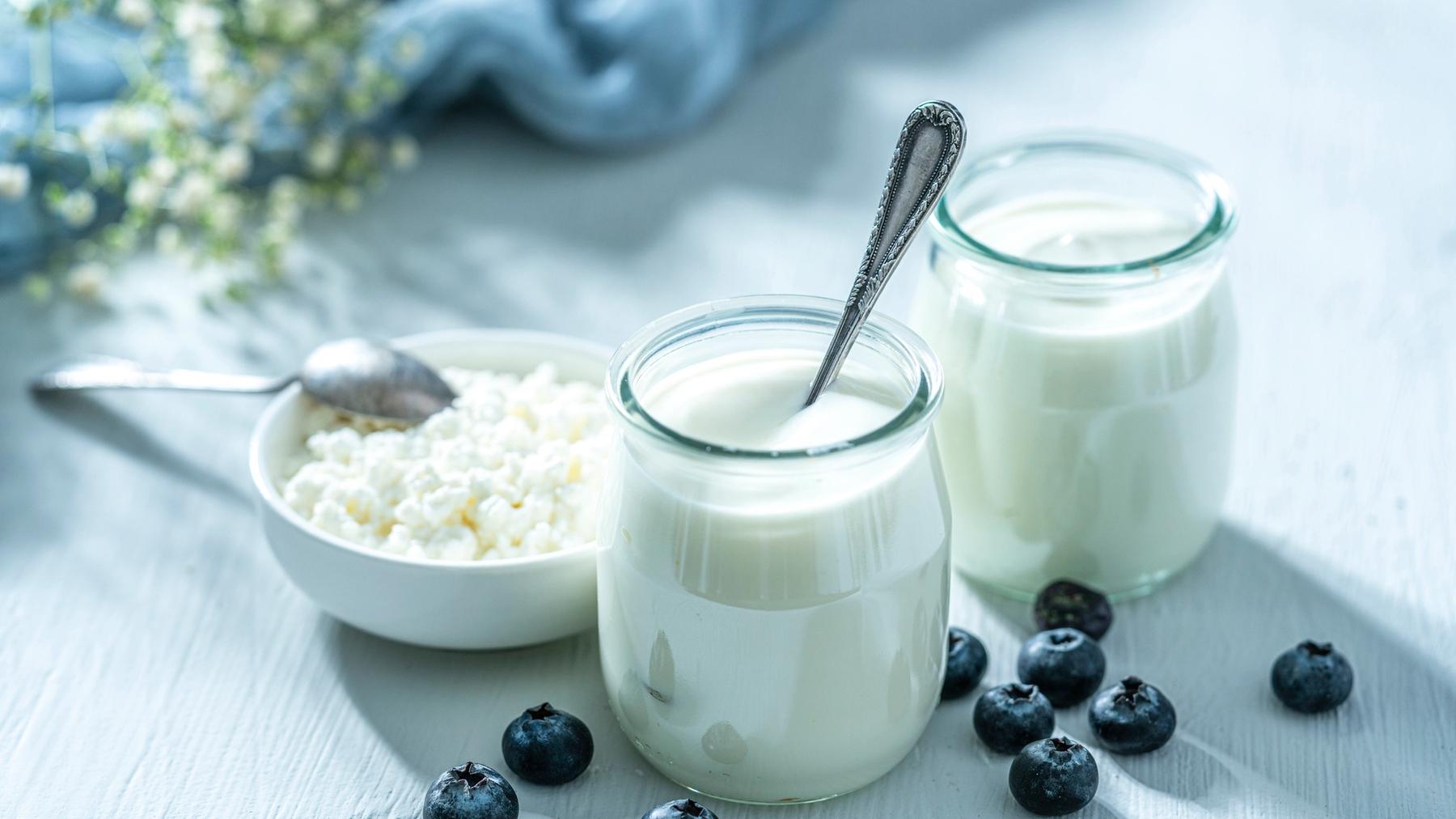
What Is Kefir?
Kefir (pronounced kee-feer) is a fermented milk drink that originated in the Caucasus mountains of Eastern Europe and Western Asia, where it has been consumed for thousands of years. It is made by adding kefir grains — small, gelatinous clusters of bacteria and yeasts — to milk and allowing fermentation to occur at room temperature over 18 to 24 hours.
The result is a tangy, slightly fizzy, drinkable product that looks and tastes like a thinner, more sour version of curd. The consistency is closer to a drink than a set dairy product. The flavour is more acidic.
What makes kefir distinct from curd is not the process alone — it is what that process produces. Kefir grains contain a symbiotic culture of bacteria and yeasts that generates a significantly more diverse probiotic community than standard dairy fermentation — and that diversity is where most of its clinical benefits come from.
Kefir vs Curd vs Yogurt: The Honest Comparison
Both are fermented dairy products. Both are genuine probiotic foods. Both support gut health. The question is not which is better in an absolute sense — it is what each one does and when each one is the more useful choice. And while curd and yogurt are often used interchangeably in everyday conversation, they are prepared differently and have meaningfully different probiotic profiles — which is why the comparison below includes all three.
| Curd (Dahi) | Yogurt | Kefir | |
|---|---|---|---|
| Probiotic strains | 2–5 bacterial strains | 2–3 specific bacterial strains | 30–61 bacterial + yeast strains |
| Fermentation type | Bacteria only (natural cultures) | Bacteria only (controlled starter) | Bacteria + wild yeasts |
| Preparation | Warm milk + previous curd, set at room temperature | Pasteurised milk + specific starter cultures (L. bulgaricus + S. thermophilus), fermented at controlled temperature | Milk + kefir grains, fermented 18–24 hrs at room temperature |
| Lactose content | Moderate reduction | Moderate reduction | Near-complete reduction |
| Lactose tolerance | May still cause issues | May still cause issues | Usually well-tolerated even by lactose-intolerant individuals |
| Texture | Thick, set | Thick, creamy, set | Thin, drinkable, mildly fizzy |
| Taste | Mild, slightly sour | Mild to tangy | More sour, tangier |
| Home preparation | Easy, everyday | Requires specific starter + temperature control | Easy once you have kefir grains |
| Availability in India | Universal | Widely available (commercial) | Urban markets, online, or home-made |
| Best for | Daily gut maintenance, cooking | Daily gut maintenance, controlled fermentation | Post-antibiotic recovery, microbiome diversity, lactose intolerance |
The single most important difference between kefir vs yogurt and kefir vs curd is strain diversity — and the inclusion of wild yeasts that neither yogurt nor curd contain. Greater microbial diversity in the gut correlates with better metabolic health, stronger immunity, and reduced inflammation.
Curd and yogurt are excellent daily choices. But for someone who needs active microbiome restoration — after antibiotics, after illness, after a period of significant gut disruption — kefir's diversity gives it a clinical edge that neither can match.
Kefir Health Benefits: Probiotic Benefits for Gut Health?
Superior probiotic diversity. The sheer number and variety of strains in kefir — bacteria and yeasts working together — means different species are performing different functions simultaneously: supporting immunity, reducing inflammation, producing antimicrobial compounds, and nourishing the gut lining. This is what single-strain supplements and standard curd cannot replicate.
Unique antimicrobial properties. Kefir contains the probiotic Lactobacillus kefiri, which is unique to kefir. Studies demonstrate that this probiotic can inhibit the growth of various harmful bacteria, including Salmonella, Helicobacter pylori, and E. coli. Kefiran, a type of carbohydrate present in kefir, also has antibacterial properties. This makes kefir particularly useful for people with H. pylori-associated gastritis or recurrent gut infections.
Better tolerated by lactose-intolerant individuals. Kefir is more easily tolerated by people with lactose intolerance as its fermentation breaks down lactose more thoroughly. The longer fermentation process, combined with the yeast component, consumes nearly all the lactose present in milk — making kefir accessible to many people who cannot tolerate regular dairy.
Gut microbiome restoration. Daily consumption of a single portion of kefir resulted in detectable changes to the gut microbiota and metabolome of consumers. This makes it one of the most evidence-backed foods for restoring gut bacterial diversity after disruption — particularly following antibiotic courses, which wipe out both harmful and beneficial bacteria indiscriminately.
Anti-inflammatory and immune effects. Kefir's diverse bacterial strains produce short-chain fatty acids — particularly butyrate — that nourish the gut lining, reduce intestinal inflammation, and support immune regulation. By improving colonic smooth muscle motility and stool hydration, these microbial metabolites serve as effective natural remedies for chronic constipation without relying on habit-forming laxatives.
Higher B-vitamin content. Kefir's longer fermentation leads to higher B-vitamin content, especially B12 and folate — nutrients that are commonly deficient in vegetarian populations and that support energy metabolism, neurological function, and red blood cell formation.
Who Benefits Most From Kefir?
Kefir is appropriate for most adults. But it is particularly useful for:
People recovering from antibiotics. Antibiotics clear the gut indiscriminately. Kefir's diverse bacterial and yeast strains help restore microbial diversity faster than most single-strain probiotic supplements.
People with lactose intolerance: Kefir for lactose intolerance is often recommended because the fermentation process significantly reduces lactose content while providing beneficial bacteria that may improve digestion. As a result, many people who cannot tolerate regular milk or curd are able to consume well-fermented kefir comfortably, although individual tolerance varies.
People with IBS, bloating, or recurring gut infections — the antimicrobial properties of Lactobacillus kefiri and kefiran are clinically relevant here. For those navigating post-infectious bowel sensitivity, combining targeted probiotic diversity with evidence-based IBS treatment options helps recondition the enteric nervous system while reducing visceral hypersensitivity.
People with low dietary diversity — particularly those eating predominantly processed food — where kefir provides a meaningful daily input of microbial diversity that diet alone is not providing.
People with low B12 — common in vegetarian populations — where kefir's higher B12 content from fermentation provides additional nutritional value alongside its probiotic benefits.
For the gut health context of these benefits, our guide on how to improve gut health covers where kefir fits into the broader picture. And our article on prebiotic vs probiotic explains how to pair kefir with prebiotic foods for maximum effect.
Buying Kefir Drink Options in India
Kefir is no longer as difficult to find in India as it was a few years ago. In September 2024, Activia introduced a new range of drinkable and spoonable kefir in India, containing 16 live culture strains, fortified with calcium, and designed to promote gut health. This is now available in major supermarkets in metro cities.
Beyond commercial products, kefir is increasingly available through:
Health food stores and organic supermarkets in urban areas — particularly in Mumbai, Delhi, Bengaluru, Hyderabad, Chennai, and Pune.
Online platforms — Amazon India, BigBasket, and specialty health stores carry both commercial kefir products and kefir grain starter cultures for home preparation.
What to look for when buying commercial kefir: the label should state "contains live and active cultures" and ideally list the specific strains. Avoid products with significant added sugar — the sugar feeds less desirable bacteria and counteracts some of the probiotic benefit. Plain, unsweetened kefir is the most useful clinical choice.
How to Make Kefir at Home
Home preparation is the most economical option and produces a genuinely high-quality product. The process is straightforward once you have kefir grains.
What you need: Kefir grains (available online — a one-time purchase, as the grains multiply with each batch), full-fat or toned milk, a glass jar, and a breathable cloth or loose lid.
The process: Add one tablespoon of kefir grains to two cups of milk in a glass jar. Cover with a breathable cloth secured with a rubber band — this allows gas to escape while keeping contaminants out. Leave at room temperature (ideally 20–25°C) for 18 to 24 hours. In warmer Indian climates, fermentation may complete in 18 hours or less. The kefir is ready when it has thickened slightly, smells pleasantly sour, and tastes tangy. Strain out the grains using a plastic or wooden strainer — avoid metal, which can damage the grains. Store the finished kefir in the refrigerator and use within a week. Place the strained grains back into fresh milk immediately to start the next batch.
The grains multiply with each batch — so a single starter purchase produces an indefinite supply. This makes home-prepared kefir one of the most cost-effective probiotic foods available.
A practical note for Indian kitchens: in summer months, fermentation is faster and kefir can become more sour if left the full 24 hours. Tasting after 18 hours and adjusting to preference is recommended.
How to Use Kefir in an Indian Kitchen
Kefir does not need to replace curd — it works alongside it. Here are practical ways to incorporate it:
Drink it plain, 100–200ml daily, ideally in the morning or with a meal. Starting with a smaller amount — 50–100ml — and building up over one to two weeks reduces the initial adjustment period some people experience.
Use it as a substitute for curd in raita — the tangier flavour works particularly well with cucumber and mint. Use it as the base for lassi — plain or with a small amount of ripe banana or mango. Add it to smoothies — the sour flavour balances well with fruit. Use it in place of buttermilk in batters for uttapam or dosa — the fermentation adds both probiotic benefit and a lighter texture.
Avoid heating kefir — high temperatures kill the live cultures. Add it to cooked dishes only after the dish has cooled.
Who Should Be Cautious
Kefir is safe for most people but warrants caution in specific situations.
People with milk protein allergy (not lactose intolerance — a true allergy to casein or whey) should avoid dairy kefir entirely. Water kefir — made using kefir grains with water and sugar rather than milk — is an alternative that provides probiotic benefits without dairy.
People who are immunocompromised — undergoing chemotherapy, on immunosuppressive medication, or with significant immune dysfunction — should discuss kefir consumption with their clinical team before starting, as any live culture product carries a theoretical risk in severely immunosuppressed individuals.
People with SIBO should introduce kefir cautiously and under clinical guidance — the probiotic content can temporarily worsen symptoms in some people during the treatment and recovery phase. If you experience sudden paradoxical bloating or excessive gas after introducing fermented foods, evaluating common SIBO symptoms can help differentiate between normal probiotic adaptation and active small intestinal bacterial overgrowth.
The Bottom Line
Kefir is not a replacement for curd. Curd belongs on the daily plate — it always has, and that position is well-earned. But kefir brings something curd cannot: a significantly richer diversity of bacteria and yeasts, unique antimicrobial strains, near-complete lactose breakdown, and a breadth of clinical benefit that makes it particularly useful in specific situations — post-antibiotic recovery, microbiome restoration, lactose intolerance, and active gut health investment.
It is now accessible in Indian urban markets, and entirely straightforward to make at home. The grains are a one-time purchase that keeps giving.
If your daily curd is doing a consistent, good job — keep eating it. If you want to go further, kefir is the natural next step.
If you want guidance on which fermented foods and probiotic approaches are most appropriate for your specific gut health situation, NewME's GI Care team works through exactly this — structured, clinical, and built around what your gut specifically needs.
To start with a direct clinical conversation, a virtual consultation with Dr. Pal's team is available here.