
Causes, Significance, and When to Seek Medical Help for Lower Left Abdominal Pain
A complaint such as 'I have pain on my left side' could indicate a wide variety of situations. Since there are several organs located on the left side of the abdomen, the symptoms may vary from temporary and harmless gas to a more serious medical condition that requires immediate attention.
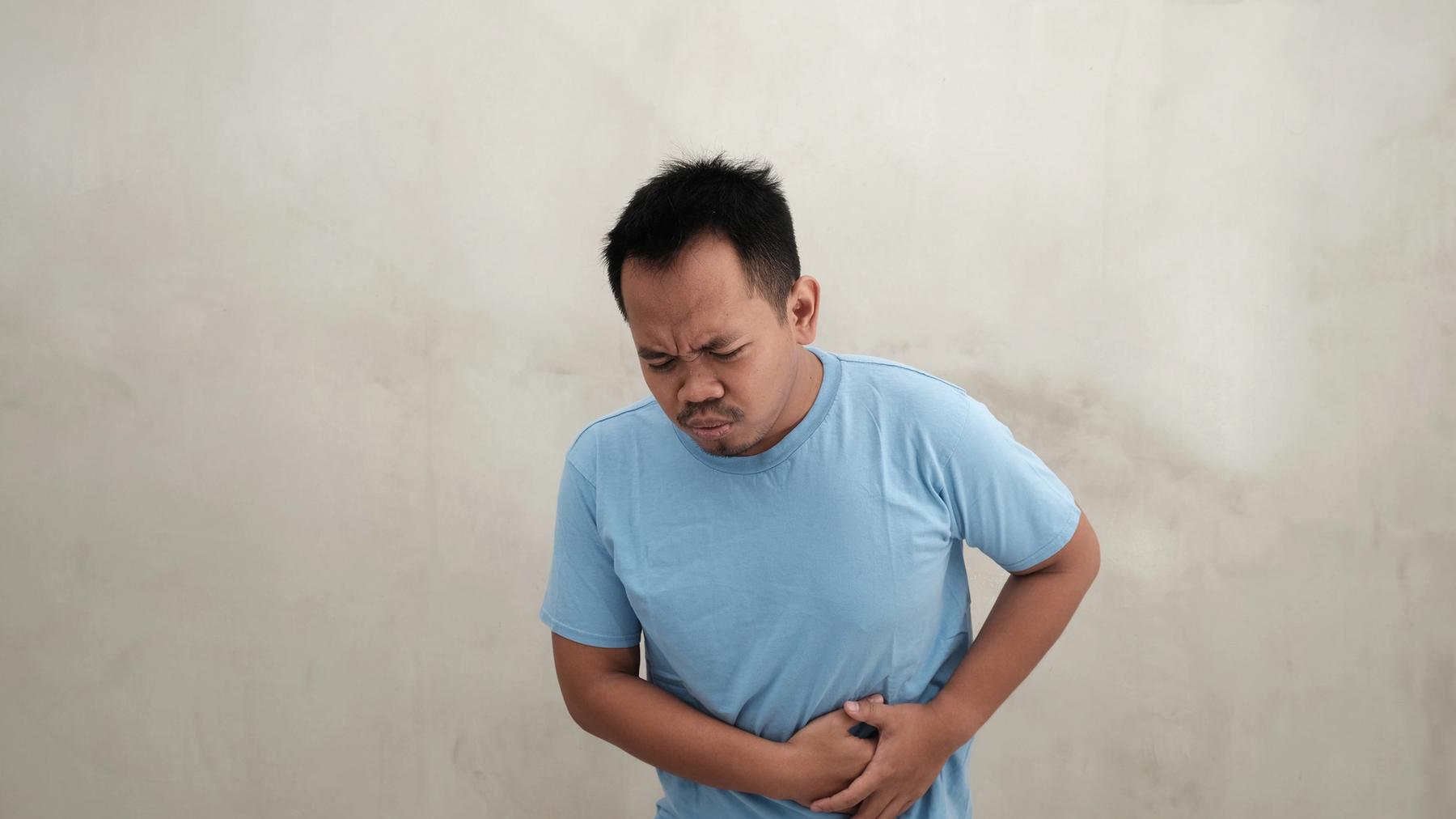
The abdomen is not a single area
In a clinical setting, the abdomen is divided into nine regions, and when you know which region the pain is located in, this immediately reduces the number of possible causes.
| Region | Location | Key Organs |
|---|---|---|
| Right hypochondriac | Upper right | Liver, gallbladder, right kidney |
| Epigastric | Upper centre | Stomach, pancreas, duodenum |
| Left hypochondriac | Upper left | Spleen, left kidney, stomach, pancreatic tail |
| Right lumbar | Middle right | Ascending colon, right kidney |
| Umbilical | Centre | Small intestine, transverse colon |
| Left lumbar | Middle left | Descending colon, left kidney |
| Right iliac | Lower right | Appendix, right ovary, caecum |
| Hypogastric | Lower centre | Bladder, uterus, sigmoid colon |
| Left iliac | Lower left | Sigmoid colon, left ovary, descending colon |
“The left side isn't merely the left side; we have to find out whether it's the upper left, the middle left, or the lower left, since each of these positions corresponds to different organs and different causes.”
The majority of people who are looking for pain on the left side of their abdomen are finding that the pain is in the lower left area – that is, the left iliac region. This is the most typical site for left-sided pain associated with the digestive system and is most often mistaken for gas, IBS, or general digestive discomfort.
The Four Questions That Matter Most
In order for a diagnosis to be possible—before the use of any home remedy or any clinical investigation—these four questions must first be answered.
| 🔍 Question | Why It Matters |
|---|---|
| Where exactly is the pain? | Upper, middle, or lower left each point to different organs. A pain that starts central and moves to the lower left may indicate appendix involvement (rare on the left but possible with rare anatomy). Pain that is clearly in the left iliac region points to the sigmoid colon, left ovary, or descending colon. |
| What kind of pain is it? | Sharp, pointed pain is more concerning than dull, diffuse discomfort. Pain that is relieved by passing gas or having a bowel movement is typically functional — IBS, trapped gas, constipation. Pain that is constant, worsening, or not relieved by anything warrants urgent assessment. Pain relieved by pressure or curling up is often muscular or from gut spasm. |
| What are the associated symptoms? | Fever, vomiting, blood in stool, or inability to pass gas alongside left-sided pain significantly raises clinical concern. Bloating and gas alongside the pain, with no fever or vomiting, is reassuring. Chest pain alongside left abdominal pain may suggest a referred pain pattern from the heart or diaphragm. |
| How severe is it, and is it worsening? | Pain that is tolerable, that comes and goes, and that has a clear relationship to eating or bowel habits is likely functional. Pain that is severe, constant, and progressively worsening over hours is not. When in doubt, always err toward clinical evaluation. |
What Upper Left Abdominal Pain Usually Signifies
Pain in the upper left part of the abdomen — the left hypochondriac region — is less common than pain in the lower left area but is more often serious when it does happen. Several organs sit in this region, and each produces a distinct pattern of pain:
| Organ / Source | Condition | Pain Pattern |
|---|---|---|
| Spleen | Enlargement (infection, blood disorder, inflammatory condition) | Dull, continuous pain in the upper left, may spread to the left shoulder |
| Spleen | Rupture (rare, usually trauma-related) | Sudden, severe pain — medical emergency |
| Stomach | Gastritis, peptic ulcer | Pain in the upper left or upper central region, spreading left |
| Pancreas | Pancreatitis | Severe pain in the upper abdomen that spreads to the back |
| Left kidney | Kidney stones or infection | Sharp, severe, colicky pain (comes in waves) in the left flank, spreading to the lower left abdomen; often with nausea and changes in urination |
| Heart | Angina or heart attack | Pain in the upper left abdomen instead of the chest; if paired with difficulty breathing, sweating, or arm pain — seek emergency care |
Pain in the Lower Left Abdomen: The Most Common Causes
Lower left abdominal pain is much more common and, in the majority of cases, less urgently serious. The most common causes, in order from most to least common in a typical clinical group:
Gas and flatulence. This is by a large amount the most frequent cause of discomfort on the left side of the abdomen. The gas builds up in the descending colon and in the sigmoid colon—both of which are on the left side—and results in cramping, a feeling of pressure and pain, which is usually relieved by passing wind or having a bowel movement. Although it is unpleasant it is not dangerous. The way to manage it is to follow a protocol for bloating and gas: this involves exercise, drinking warm liquids, giving the abdomen a massage, and making changes to your diet.
Irritable Bowel Syndrome (IBS) causes recurrent pain in the lower abdomen—often on the lower left side—and this pain is closely linked to changes in bowel habits, bloating, and stress. The pain is generally cramping, gets better after having a bowel movement, and tends to increase during flare-ups. It does not lead to a fever or weight loss. It is one of the most common causes of recurring pain on the left side of the abdomen in adults between the ages of 20 and 50, especially in women. Our IBS treatment guide provides a detailed account of the management.
When someone has constipation, stool builds up in the descending colon or in the sigmoid colon and this causes considerable pressure and pain on the left side. The pain is usually dull, continuous, and is accompanied by a feeling of fullness; it is relieved by having a bowel movement. In people who are chronically constipated, this condition can become the reason for repeated left-sided pain that appears to have no connection with their bowel habits.
Diverticulitis is a condition in which the sigmoid colon—that is, the lower left part of the colon—is the area most frequently affected by diverticulosis, which involves the development of small pouches in the colon wall. If these pouches become inflamed or infected, diverticulitis occurs, leading to severe pain in the lower left abdomen, a pain that is usually constant and tender when pressed on, along with a fever and alterations in bowel habits. This is the condition most often overlooked when lower left abdominal pain is attributed to IBS. Unlike the pain associated with IBS, the pain caused by diverticulitis is not eased by passing gas or having a bowel movement; it remains continuous and is accompanied by general symptoms.
In women the left ovary and fallopian tube are located in the lower left part of the abdomen. Lower left abdominal pain may be caused by ovarian cysts, ovulation pain (known as mittelschmerz), endometriosis or pelvic inflammatory disease. The pain caused by an ovarian cyst can vary from mild and intermittent to sudden and severe should the cyst rupture. The pain associated with endometriosis is typically cyclical since it gets worse before and during menstruation.
A muscular strain can be caused by overstretching, by sudden exertion, or as a result of continuous physical activity. The pain is generally sharp when you move it, tender when touched on the surface, and has no connection with eating or bowel habits; it gets worse during certain movements and becomes better with rest.
Pain caused by problems with the kidneys may include kidney stones in the left kidney or a urinary tract infection on the left side, both of which can cause pain in the lower left flank that spreads into the lower abdomen. A typical feature of the pain caused by kidney stones is that it is severe and has a wave-like, colicky character— does not remain constant.
When Pain on the Left Side Is a Medical Emergency
If you are uncertain, you should always go for a clinical evaluation since some causes of pain on the left side cannot be delayed.
No text was provided. Please provide the text you would like rewritten.
Seek immediate medical attention if any of the following accompanies left-sided abdominal pain:
- A fever exceeding 38.5°C indicates either an infection or inflammation (such as diverticulitis, a kidney infection, or a pelvic infection).
- Vomiting that is persistent or contains blood — requires urgent assessment
- Blood in stool — dark, tarry stool or bright red blood alongside abdominal pain is a red flag
- Severe, constant pain that is worsening — pain that does not ease and gets progressively worse over hours
- Inability to pass gas or stool — may indicate bowel obstruction
- If there is chest pain, shortness of breath, or pain in the arm together with pain in the left abdomen, the condition may have a cardiac origin and should be treated as an emergency.
- Sudden severe pain after mild chronic discomfort — may indicate a rupture or perforation
- Pain in a pregnant woman — any significant abdominal pain in pregnancy warrants prompt assessment
This is not a cause for panic; it is a reason to act swiftly instead of delaying.
When Gas, Muscle, or Gut Trouble Is Likely — and What to Do
If the pain is:
- Dull or cramping rather than sharp and constant
- Relieved by passing gas, having a bowel movement, or changing position
- Associated with bloating, fullness, or digestive discomfort
- Not accompanied by fever, vomiting, or blood in stool
- Clearly related to eating, stress, or changes in bowel habit
The most probable causes are functional in nature, such as gas getting trapped in the body, IBS, constipation, or muscle strain. They can be looked after without the need for an emergency assessment.
To relieve gas and bloating you should take warm water, go for a gentle walk, apply a clockwise massage to your abdomen, or drink jeera water or hing mixed with warm buttermilk. The full protocol for alleviating bloating is covered in our bloating relief guide.
To deal with the pain associated with IBS, it is necessary to identify and avoid trigger foods, maintain regular mealtimes, manage stress, and if the problem persists, undergo clinical investigation to determine the specific triggers. Our IBS treatment guide looks at all of this in detail.
To relieve pain caused by constipation, one should take in adequate fluids, consume dietary fibre, get some movement, and if necessary, use psyllium husk or other bulk-forming agents. Our guide on natural laxatives includes some practical solutions.
To relieve muscular pain, one should rest, carry out some gentle stretching, and apply a warm compress to the area in question. It typically sorts itself out within two to four days without any treatment.
A Genuine Client Story
When Priya came in she was 44 and said that she had recurrent pain on her left side of the stomach. It had been going on for approximately eight months—not every day, but frequently enough to cause her concern. She had been treating it with antacids, believing it to be due to acidity.
The picture became clear very quickly when we considered the four questions. The pain was in the lower left part — not in the upper part — it was cramping, came and went, and was generally relieved by having a bowel movement. There was no fever, no blood in the stool, and no vomiting. The pain became worse after eating and during the stressful periods at work.
The antacids had been targeting the wrong section of the abdomen all along. It wasn't an acid-related issue; rather, it was a matter concerning the lower-left part of the abdomen, the sigmoid colon. The pattern clearly indicated IBS with constipation as the predominant feature.
A structured elimination phase that was low in FODMAPs found onion and garlic to be important triggers — since both of these foods are high in FODMAP and were included every day in her cooking. When these foods were reduced rather than completely eliminated, her pain episodes decreased considerably within six weeks.
Taking antacids for eight months and asking the right questions over a period of six weeks.
Priya is one of more than 5,603 clients who have reached documented clinical outcomes as a result of the structured gut care provided by NewME – the total amount of weight lost across our patient community amounts to over 18,981 kg because the programme identified what was actually causing each individual's symptoms.
The Bottom Line
Being suffering from pain on the left side of the abdomen is not a diagnosis; it is only a starting point, the path it takes depending completely on the exact location of the pain, the type of pain, the other symptoms accompanying it, and the severity of the pain.
In healthy adults the majority of pain on the left side of the abdomen is functional in origin—being due to gas, irritable bowel syndrome, constipation or a muscle strain. Although it is unpleasant it is not dangerous and can be dealt with by adopting the appropriate dietary and lifestyle measures.
However, certain causes of pain on the left side cannot be looked after at home. Cases of diverticulitis, kidney stones, ovarian cysts, and pain that is referred from the heart all need to be assessed by a doctor — and it is not always clear whether the pain is functional or structural without such an evaluation.
Ask the four questions, be aware of the red flags, and if you're unsure, get it checked.
If the pain on your left side is recurring, getting worse or appearing without any obvious reason — the NewME GI Care team will carry out a structured gut assessment in order to identify the underlying cause and then develop a care plan based on it.
You can begin with a direct conversation with your doctor by booking a virtual consultation with Dr Pal's team by clicking here.