
What Your Gut Bacteria Actually Want You to Eat
Have you ever wondered why a certain food seems to affect you differently than it affects someone else? Your gut microbiome may be part of the reason. The bacteria living in your gut do far more than digest your food. They play a role in immunity, in the production of substances your body relies on, and in how you respond to what you eat. No two people share the same microbiome, which is why the same meal can sit well with one person and poorly with another.
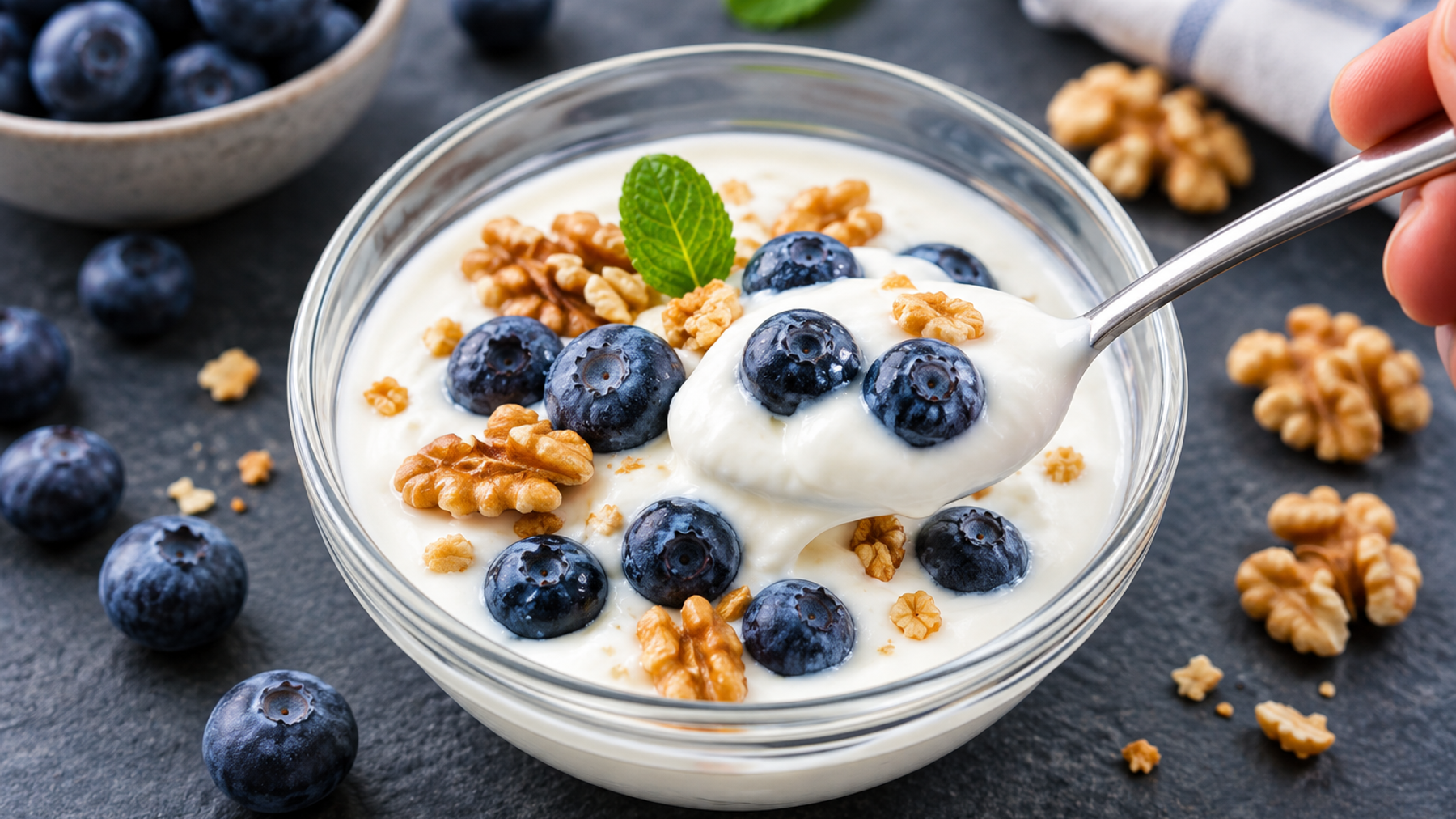
Think of the gut as a community, where different bacteria compete for what you eat. The foods you choose shape which bacteria thrive. Highly processed foods tend to favour certain bacteria over others, which may be one reason these foods can feel hard to resist once they become a habit.
Fibre is one of the most useful things you can offer your gut bacteria. Unlike most carbohydrates, fat and protein, fibre is not digested until it reaches the colon, where gut bacteria break it down into short-chain fatty acids. I generally recommend around 25 grams of fibre a day for women and 35 grams for men, though reaching that number takes some planning. White rice offers about half a gram of fibre per serving. A piece of fruit offers roughly 3 grams. A cup of vegetables offers 3 to 4 grams. Vegetables, fruits, legumes and whole grains remain the most reliable sources, along with foods like banana stem, millets and raspberries.
Build this up slowly. A sudden jump to a high-fibre diet, especially beans and vegetables, can cause bloating or flatulence in someone whose gut isn't used to it yet. Increase fibre gradually, drink enough water, and stay active. One habit I often recommend is eating fibre before reaching for processed food. A plate that starts with vegetables or fruit tends to leave less room, and less appetite, for what follows.
Gut health is also shaped by what happens to it over time, not only by daily food choices. After a course of antibiotics, the gut microbiome is often disrupted, and foods containing beneficial bacteria, such as curd, can support its gradual recovery. Probiotic supplements can help in some cases, but should be chosen with a doctor's guidance rather than on your own. Fermented foods such as curd, idli, dosa, appam and dhokla are worth including in a varied diet, though it's worth knowing that not all fermented foods contain live bacteria by the time you eat them. They support gut health, but they are not a reliable way to "reset" it on their own.
This shaping begins early in life. A child born by caesarean section tends to start with a more limited gut flora than a child born vaginally, though this can develop over time as fibre- and fruit-rich foods are introduced. Nutrition in the first ten years appears to matter for gut health well beyond childhood.
Individual triggers still matter alongside all of this. A varied diet and gradual increases in fibre support most people, but food-related symptoms are personal, and keeping track of what causes discomfort can reveal patterns that general advice won't catch. Constipation deserves particular attention here, since slow-moving stool is itself a common cause of bloating.
None of this requires a perfect gut, and it shouldn't be treated like one. Eat a varied diet. Build fibre up gradually. Stay hydrated. Keep moving. Pay attention to your own triggers, and treat constipation if it's present. What it should not be mistaken for is something more serious. If symptoms are severe, persistent or worsening, or if there is significant abdominal pain, fever, persistent vomiting, blood in the stool or unexplained weight loss, see a doctor rather than assuming it was something you ate.
Gut health was never going to be fixed by one dramatic reset. It is built the same way it is lost, through what you repeat, meal after meal, year after year. Consistency, variety and a little attention to yourself do more for your gut than any single food ever will.