
Indian Fermented Foods for Gut Health: What Traditional Indian Foods Offer
Whenever I talk about the gut, people ask me which fermented food they should eat. The answer is that no single food is enough on its own. A varied diet, which includes traditional fermented foods, supports the gut better than any one ingredient.
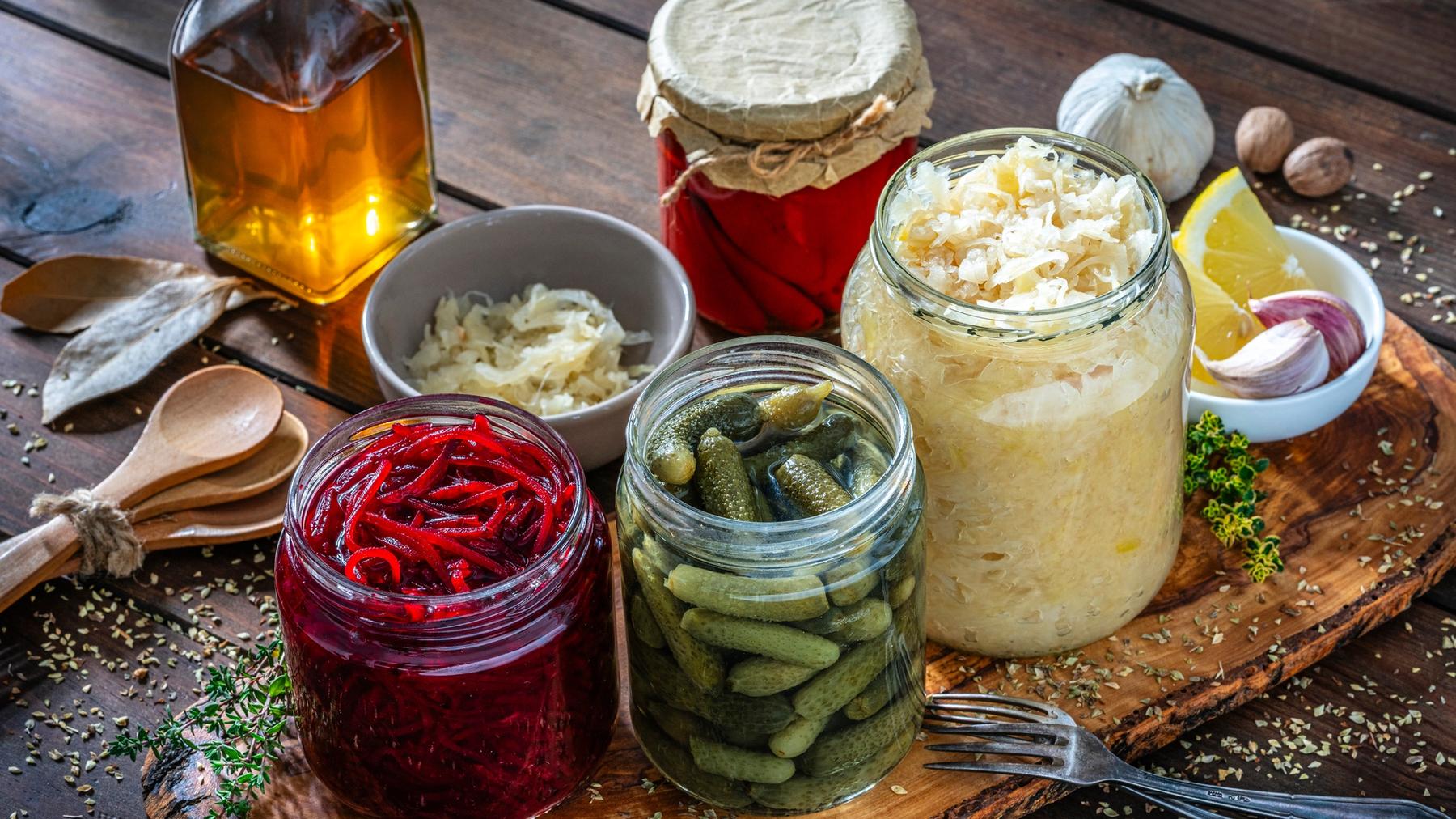
Whenever I talk about the gut, people ask me which fermented food they should eat. The answer is that no single food is enough on its own. A varied diet, which includes traditional fermented foods, supports the gut better than any one ingredient.
Fermentation is one of the oldest methods of preparing food. During fermentation, microorganisms begin breaking food down, which can make it easier to digest. This process also produces compounds that nourish the bacteria already living in your gut.
Not every fermented food contains live bacteria, however. Foods that are steamed or cooked after fermentation, such as dhokla and dosa, lose most of their live cultures to heat. Their benefit comes from the fermentation process itself. Foods eaten without cooking are more likely to contain live bacteria, depending on how they are prepared.
With that in mind, here are some traditional Indian fermented foods:
| Food | Region | What to know |
|---|---|---|
| Dhokla | Gujarat | Made from a fermented rice and lentil batter and then steamed; one or two pieces make a light snack |
| Pickles | Across India | Homemade pickles allow you to control the salt and oil |
| Kanji | Punjab, Uttar Pradesh, Rajasthan | A winter drink of black carrot, beetroot and mustard, fermented in the sun for two to three days |
| Hawaijar | Manipur | Fermented soybean, valued as a source of protein |
| Khorisa | Assam | Fermented bamboo shoot, ripened for five to ten days |
| Ragi ambali | South India | A cooling summer drink of finger millet and buttermilk |
| Dosa | South India | A familiar fermented food; best prepared at home with little oil |
Two points are worth keeping in mind when you include these foods in your diet. The first is salt. Store-bought pickles are often high in both salt and oil, so people with high blood pressure should eat them in small portions. The second is preparation. Homemade versions allow you to control the oil and the ingredients, and pairing dosa with vegetables adds fibre to the meal.
Fermented foods work best alongside fibre. Your gut bacteria feed on fruits, vegetables, legumes, whole grains, nuts and seeds, so these should remain the base of your diet. Introduce fermented foods gradually, in small portions, and choose the ones you enjoy.
So, which fermented food should you eat?
The one you will continue to eat! The gut does not need a single repair food. It needs variety and balance, one meal at a time.