
Why Am I So Bloated I Look Pregnant? Understanding Bloating and Gas Causes
Chronic bloating that makes your stomach look swollen is rarely about overeating. Here's what's actually causing it.
Introduction
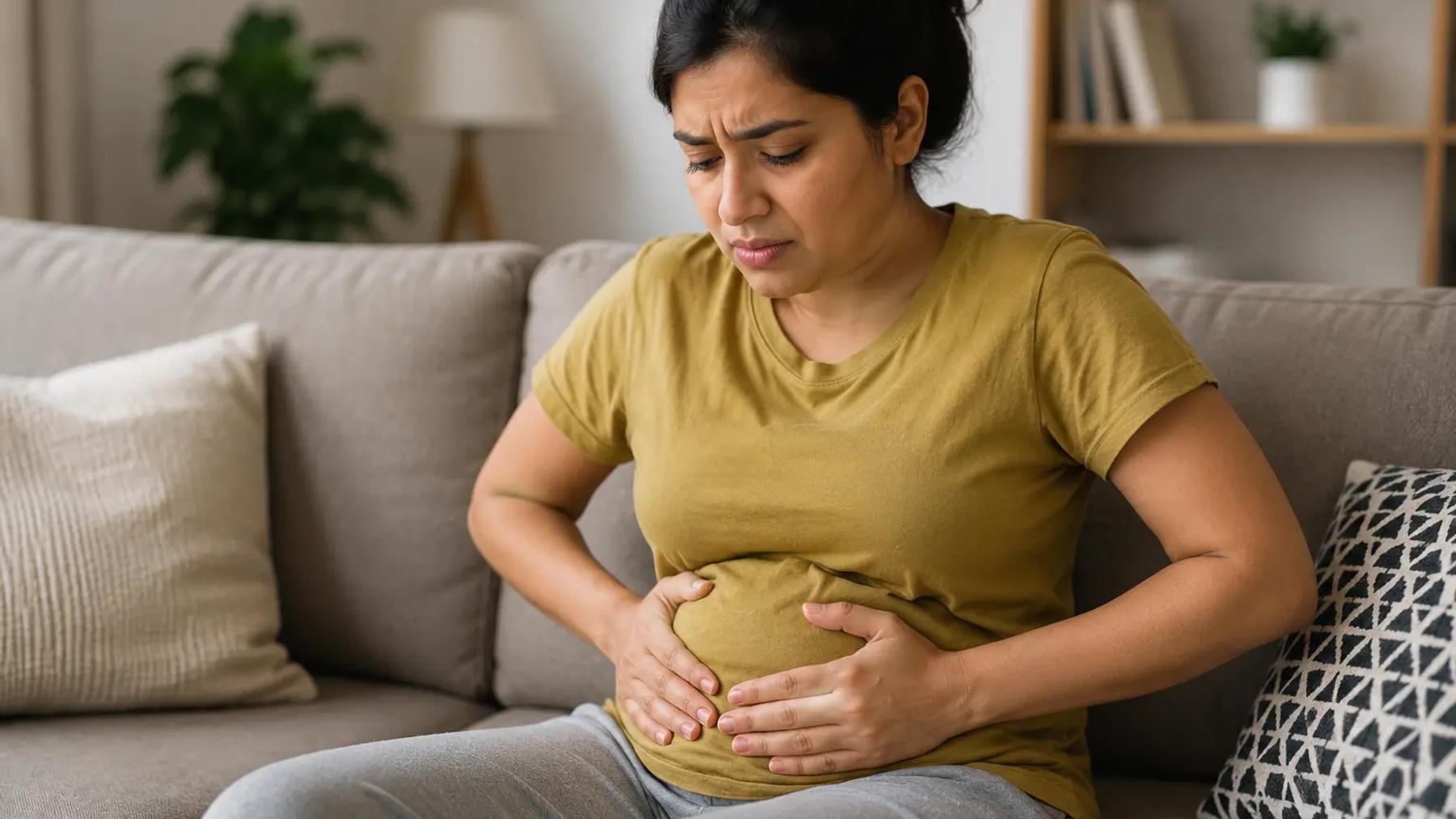
You wake up in a regular manner. In the afternoon your jeans become tight. By evening your stomach appears to be swollen to a point you look pregnant and you wonder to yourself — why am i so bloated i look pregnant?
This is among the most recurrent issues that individuals have when attempting to comprehend the causes of bloating and gases. The pain is not only physical but can have an impact on confidence, choice of clothing, and how you feel about your own skin.
Most individuals believe that bloating occurs once people overeat or consume unhealthy foods. However, in practice, the gas-inducing habits are mostly associated with the sequence of digestion, daily routine, stress, and the functionality of your gut to digest food.
The first step to regaining some of the lightness and comfort in your body is to understand the actual gas-inducing habits behind your symptoms.
Problem Explanation
Bloating occurs when your stomach is full, tight, or stretched. It is merely a feeling at times. At other times, your stomach literally swells up and appears swollen, generally being associated with causes of bloating and gas, which affect digestion.
Bloating is a common occurrence to most people particularly after consuming big meals. However, when it becomes common, the chances are that there has been repetition of bloating and gas causes that have not been dealt with.
It is also necessary to realize the fact that bloating and gaining weight are not similar. Gas accumulation, slowing down of digestion, or fluid retention are the usual causes of visible swelling which come and go depending on your routine.
The digestive system needs constant motion to digest food and empty the waste. Once that movement is slowed down or made irregular, the digestive bloating causes people to think "why does my stomach look swollen?".
6 Common Reasons Why Your Stomach Looks Swollen
Not only is there one cause of bloating and gas. The combination of several triggers experienced by the majority of the population causes the condition.
Accumulation of gases during digestion
One of the most common bloating and gas causes is gas production during digestion. Gas is naturally produced in the intestines as food decomposes — in particular carbohydrates and food rich in fiber. When this gas moves at a low pace or is trapped, abdominal pressure accumulates. The causes of these abdominal bloating symptoms are particularly more apparent later in the day when digestion is slower.
Eating too quickly or irregularly
Eating rate contributes significantly to causes of bloating and gases. Rushing meals results in more air being swallowed into the digestive tract which increases pressure within it. Missing meals and then consuming huge meals later on can also be a cause of digestive bloating, which will overload the stomach, thus slackening the digestive rate.
Food sensitivities
There are types of foods that cause symptoms in individuals that are sensitive to some food types. Some of the most common bloated stomach causes in sensitive individuals are dairy, wheat, and high fiber vegetables. These causes of bloating and gases do not necessarily manifest themselves instantly — symptoms can appear several hours after, making it more difficult to trace the symptoms to a particular food.
Hormonal changes
Bloating and gas causes can also be influenced by hormones, particularly prior to menstruation. Slower digestion and retention of fluids is typical during hormonal changes. All these causes of abdominal bloating are usually temporary and may be uncomfortable until they go away.
Gut response and stress
Among the least appreciated causes of bloating and gas is stress. The gut and brain are very much related — being stressed may slow the gut and make it more sensitive. The slowing of the digestive process means gas will be held longer by the intestines, which is one of the most important causes of digestive bloating that will cause discomfort.
Slow bowel movements and constipation
One of the most common bloating and gas causes is constipation. Remaining contents in the digestive system are one of the key causes of excessive gas accumulating around it. These bloated stomach causes usually disappear when bowel movements are normal.
Underlying digestive conditions
Persistent symptoms can be indicative of deeper causes of bloating and gas like irritable bowel syndrome (IBS) or other digestive imbalances. The chronic bloating causes are typically to be carefully considered and given specific instructions.
Reframing the Problem
A lot of individuals think that the bloating can be simply due to overeating. Although portion size may play a role, the causes of most bloating and gas are beyond the extent of the portion size.
Routines have a significant influence on a daily basis. Abnormal meals, inadequate hydration, sleep deprivation, and high levels of stress are all causing recurring causes of bloating and gases.
Rather than just concentrating on what to take out of your diet, it helps to take a step back and make observations. In many cases, the actual causes of digestive bloating are behavioral in nature, not necessarily a food.
What Actually Helps
There is no need to have drastic changes in addressing the cause of bloating and gas. The majority of the improvement is based on the regular habits that will aid digestion.
Reduce the rate of your meals
Slowing down meals assists in decreasing one of the easiest causes of bloating and gases: swallowed air. Fully chewing your food provides your digestive system with a better starting point to reduce causes of digestive bloating caused by incomplete breakdown of food.
Be mindful of timing
The timing of meals is also a factor in causes of bloating and gas. Consumption of big meals at late hours stresses the digestive system. hormonal changes will aid in avoiding some of the abdominal bloating causes that accumulate throughout the day.
Aid regular bowel movements
Water and adequate fiber intake will help in alleviating bloating and gas causes associated with constipation. Slowly adding fiber helps ease the digestive process and lessen the effects of a bloated stomach related to irregularity.
Stay physically active
Movement assists the digestive system to move naturally and helps decrease bloating and gas by assisting the gas to move through the intestines. Even brief post-meal walks can help to curb the causes of post-meal digestive bloating associated with immobility.
Manage stress consistently
Stress management is directly correlated with decreasing causes of bloating and gas. Digestion is enhanced when the level of stress is reduced. Recurrent causes of abdominal bloating can be reduced by better sleep, short breaks, and relaxation routines.
Get expert advice when necessary
When symptoms persist even after lifestyle changes, it is necessary to determine more profound causes of bloating and gas. Professional assessment can be used to reveal concealed chronic bloating causes and offers specific assistance.
A Typical Day
Consider how the bulk of days go:
- Morning (7:00 AM – 10:00 AM): Breakfast is hurried or not taken.
- Midday (12:30 PM – 3:00 PM): Lunch occurs between activities.
- Afternoon (3:00 PM – 6:00 PM): Daily stress is accumulated.
- Night (7:30 PM – 10:30 PM): Dinner will be the most substantial meal, and frequently taken late.
By now, a number of causes of bloating and gas have accumulated: irregular meals, swallowed air, stress, slow digestion. It is hardly ever a single issue. The majority of visible swelling is due to a combination of various causes of digestive bloating working in concert over time.
Conclusion
When you have been asking yourself, "why am i so bloated i look pregnant?" it is usually more of a signal that your body is reacting to a recurring cause of bloating and gas, and not a single mistake. The majority of symptoms are also related to everyday activities: the way you eat, how you cope with stress, how regular your digestive system is. As soon as you start determining your own bloating and gas triggers, you can anticipate relief.
Take the Next Step Toward a Healthier Gut
If you are experiencing frequent discomfort and are unable to identify the causes of your bloating and gas issues, you do not need to solve it by yourself. Get in touch with our gut health experts and learn what you are reacting to and get a customized plan developed based on your lifestyle and food preferences. With the appropriate assistance, you will be able to go beyond the temporary remedies and begin tackling the underlying causes of bloating and gas that impact your overall level of comfort.